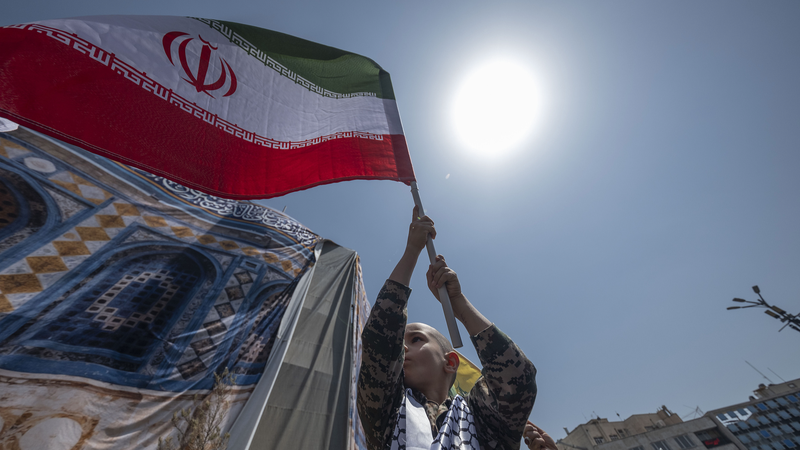
Indirect nuclear negotiations between the U.S. and Iran entered their third round in Geneva this week, with Iranian Foreign Minister Abbas Araqchi emphasizing Tehran's desire for a "fair and just agreement" to resolve longstanding disputes. The talks occur against a backdrop of heightened military posturing, as the U.S. deploys two aircraft carriers and fighter jet fleets to the region.
Sanctions and Security Concerns On the eve of negotiations, Washington imposed fresh sanctions targeting over 30 Iranian entities, individuals, and vessels. Analysts suggest the move reflects a dual strategy of applying economic pressure while preparing for potential escalation. The U.S. military buildup has raised questions about whether diplomatic efforts are being undercut by preparations for conflict.
Regional Implications The outcome of these talks could reshape energy markets and security dynamics across Asia, particularly for Gulf Cooperation Council states and major oil importers like China and India. Business professionals are closely monitoring developments, as renewed tensions threaten to disrupt critical shipping lanes in the Strait of Hormuz.
Path Forward While both sides maintain public commitments to diplomacy, the simultaneous sanctions and military deployments highlight persistent mistrust. Academics note that successful negotiations would require addressing Iran's economic concerns alongside verifiable nuclear safeguards—a delicate balance that has eluded previous administrations.