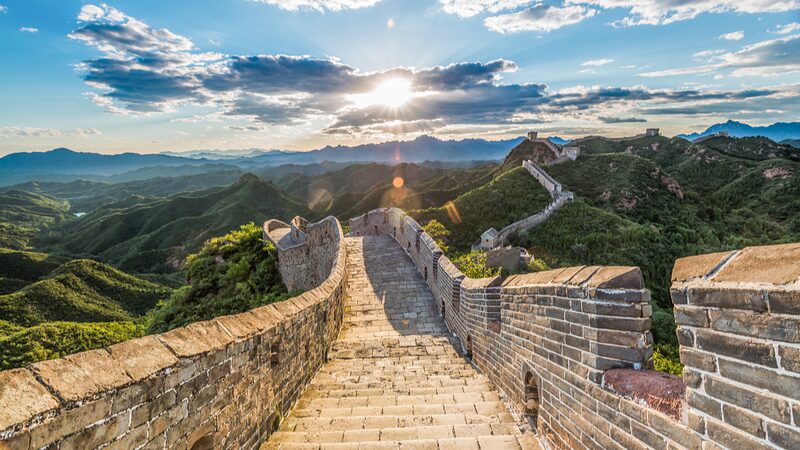
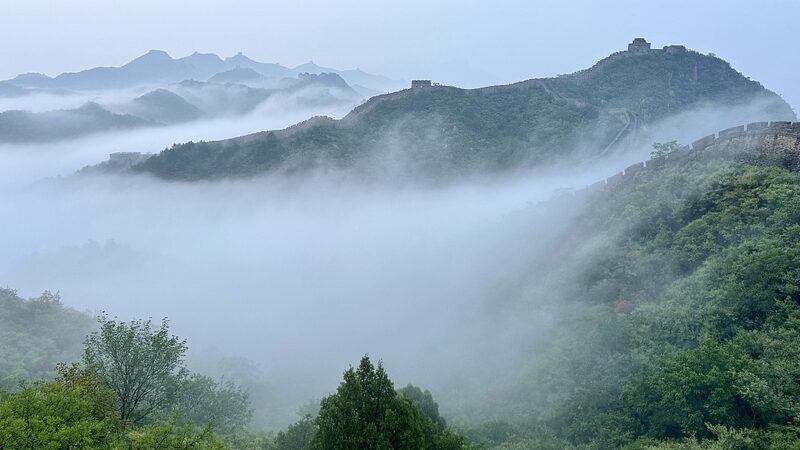
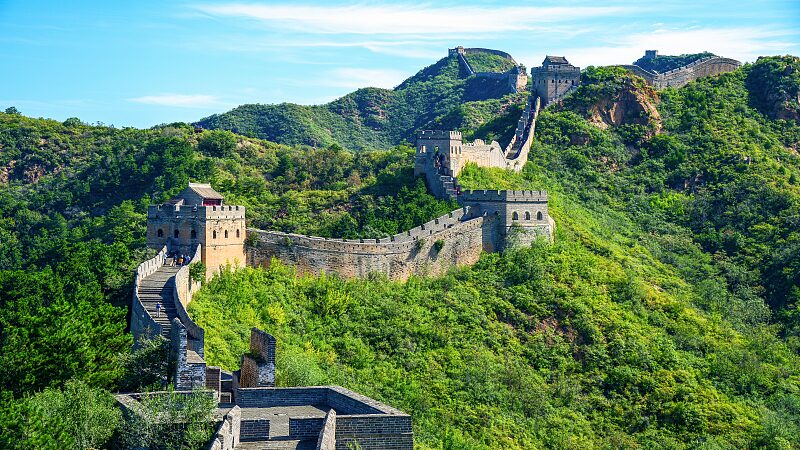
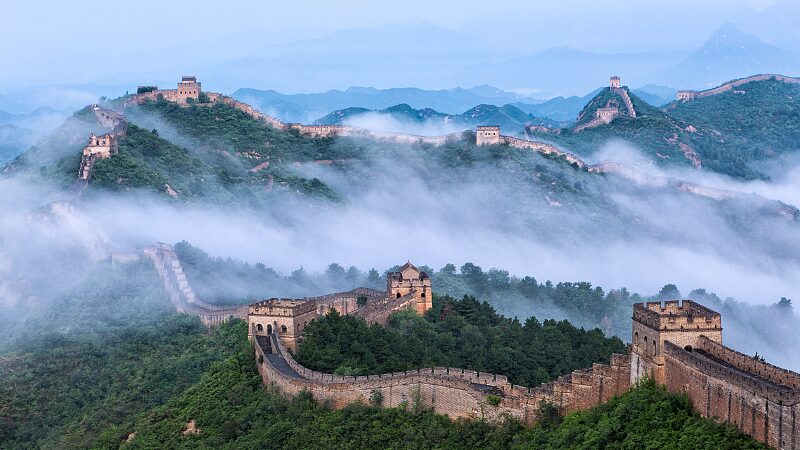
As dawn breaks over Beijing's Miyun District, the Simatai section of the Great Wall emerges like a stone serpent coiled across jagged mountain ridges. This meticulously preserved Ming Dynasty marvel, located 120 kilometers from Beijing's bustling center, offers visitors an unfiltered glimpse into China's architectural ingenuity. With its 35 original watchtowers and narrow stone pathways clinging to cliffs, Simatai stands as a testament to centuries of historical preservation.
This lunar new year, as families across the Chinese mainland celebrate the Year of the Horse, cultural historians highlight how the Great Wall's enduring strength mirrors the resilience symbolized by this zodiac animal. "The Wall isn't just stone—it's a living chronicle," explains Beijing-based heritage conservationist Dr. Li Wei. "Each tower at Simatai preserves stories of frontier life that continue to shape our understanding of regional history."
Recent infrastructure upgrades have enhanced accessibility while maintaining the site's authenticity. Visitors can now explore illuminated sections during evening hours, witnessing the ancient structure bathed in golden light against the night sky. For overseas investors eyeing cultural tourism opportunities, Simatai's sustainable development model demonstrates how historical preservation and modern tourism can coexist.
As spring approaches, travel experts recommend combining a Simatai visit with nearby Gubei Water Town's lantern festivals, where traditional horse-themed installations pay homage to the zodiac year. With direct shuttle services from Beijing's city center, this UNESCO World Heritage Site remains a cornerstone of cultural exploration in 2026.