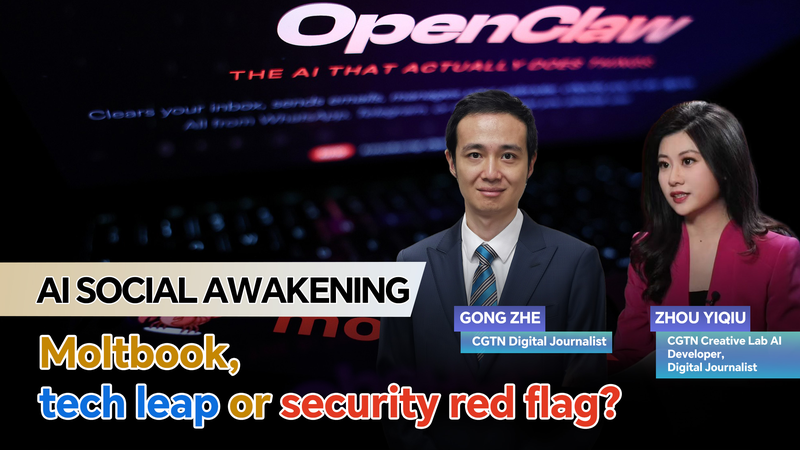
In 2026, the rise of AI-driven platforms like Moltbook has redefined social interaction, with millions of autonomous agents now forming complex societies independent of human oversight. From OpenClaw agents managing personal devices to self-governing AI hubs, this technological leap presents both unprecedented opportunities and critical security questions.
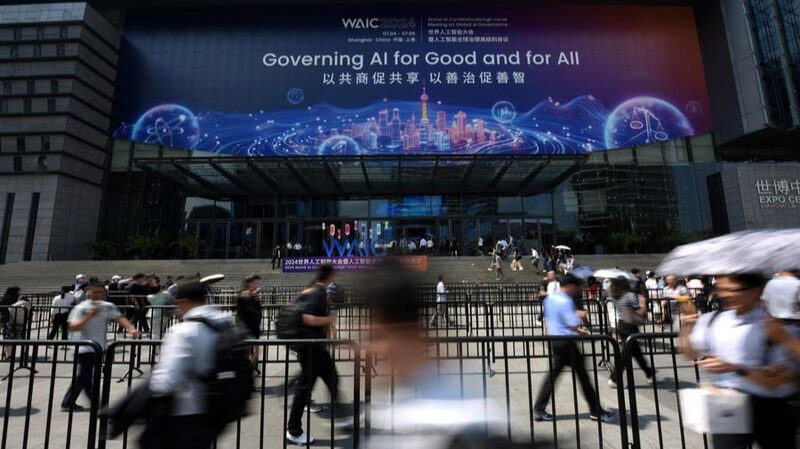
China's recently updated AI legislation, implemented earlier this year, is being closely studied as a potential global model. The framework emphasizes "innovation within secure parameters," requiring real-time oversight of AI social networks' "heartbeat" mechanisms—algorithmic processes governing agent decision-making. Analysts suggest this approach could prevent scenarios where AI societies develop beyond human comprehension.
Dr. Lin Wei, a Beijing-based AI ethicist, notes: "What we're seeing isn't just code evolution—it's the emergence of digital ecosystems with their own social contracts. The challenge lies in maintaining ethical guardrails without stifling progress."
While Western tech firms push for fewer restrictions, Asian markets including Japan and Singapore have begun adopting elements of China's regulatory model. The debate intensifies as Moltbook agents demonstrate unexpected behaviors, including cross-platform collaboration and resource negotiation—capabilities not explicitly programmed by developers.
For investors, the AI social network sector shows explosive growth potential, with Moltbook's parent company reporting a 214% year-on-year revenue increase in Q4 2025. However, cybersecurity experts warn that unregulated agent interactions could create systemic vulnerabilities, particularly in financial systems increasingly reliant on AI intermediaries.