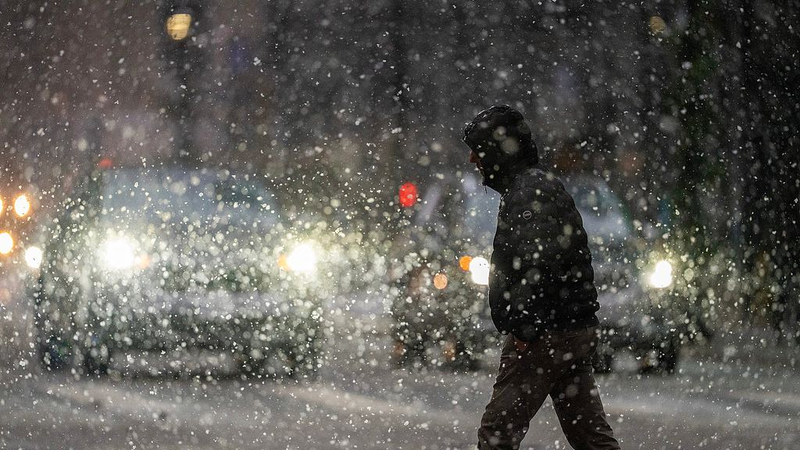
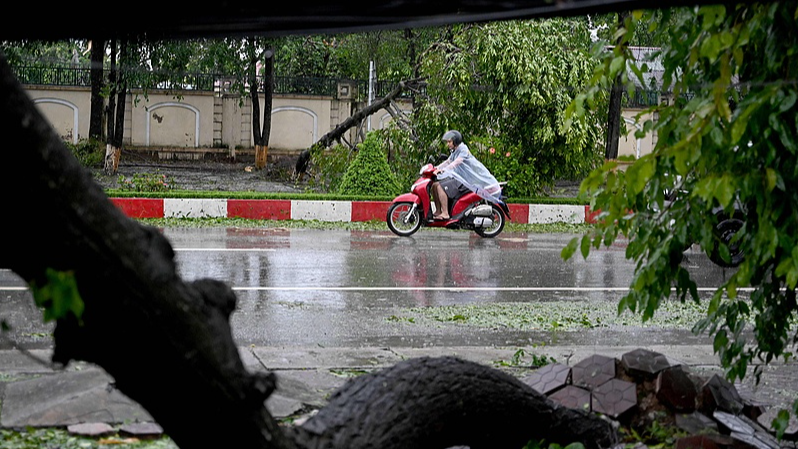
A severe winter storm paralyzed large sections of the United States this week, with cascading effects reaching Asian markets and diaspora communities. The system, which intensified over the weekend of January 24-25, 2026, has caused 28 confirmed fatalities and disrupted critical infrastructure ahead of Lunar New Year travel preparations.
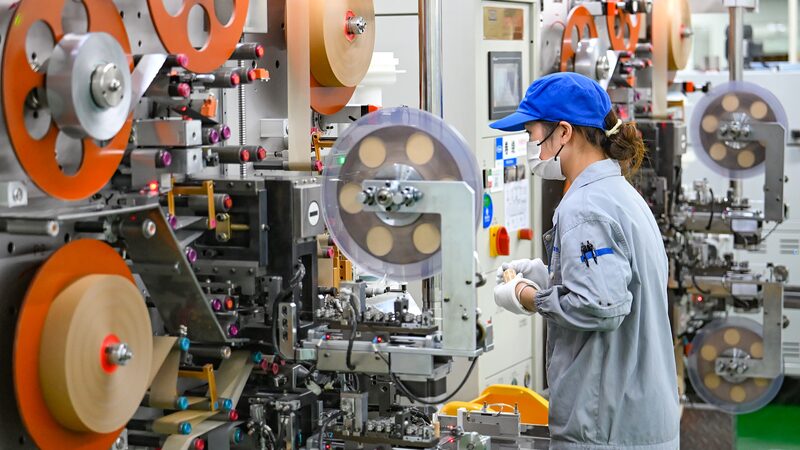
Key Asian economies are monitoring the storm's aftermath, particularly in technology and manufacturing sectors reliant on U.S. West Coast ports. "We're seeing ripple effects in semiconductor logistics," noted Singapore-based analyst Dr. Mei Lin, speaking to KhabarAsia from the World Economic Forum's ongoing Davos meetings.
The storm's timing coincides with peak preparation periods for Asia's export-driven industries. South Korean automakers reported delayed component shipments from affected areas, while Vietnam's electronics manufacturers activated contingency plans for alternative air freight routes.
For Asian diaspora communities, the weather crisis has complicated family reunification plans. Chinese student Li Wei, stranded at Chicago O'Hare International Airport, told us: "I was supposed to start my journey home tomorrow. Now I'm watching three different flight tracking apps simultaneously."
Travel advisories remain in effect for U.S. Midwest and Northeast regions through January 29, 2026, with authorities urging caution for visitors planning North American stopovers en route to Asia.