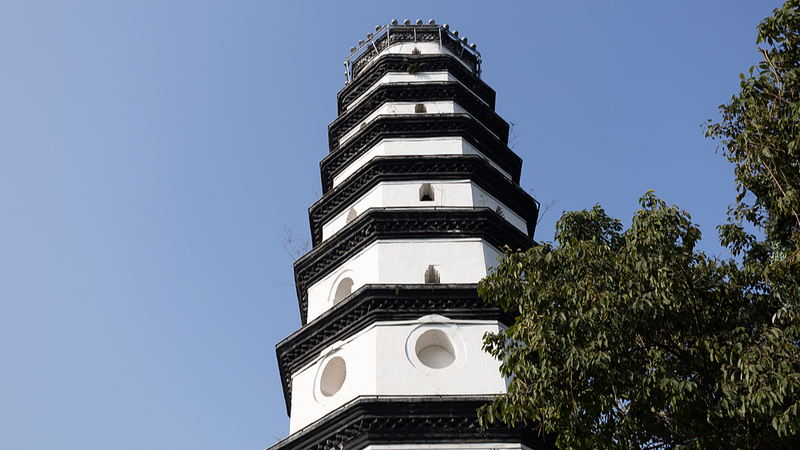
Nestled at the confluence of the Yangtze and Min rivers, Yibin's White Tower Mountain emerges as a cultural gem where 16th-century heritage meets contemporary significance. The Ming Dynasty-era White Tower, constructed in 1569, stands as the centerpiece of this protected area that seamlessly integrates ancient city remnants, Buddhist temples, and striking limestone formations.
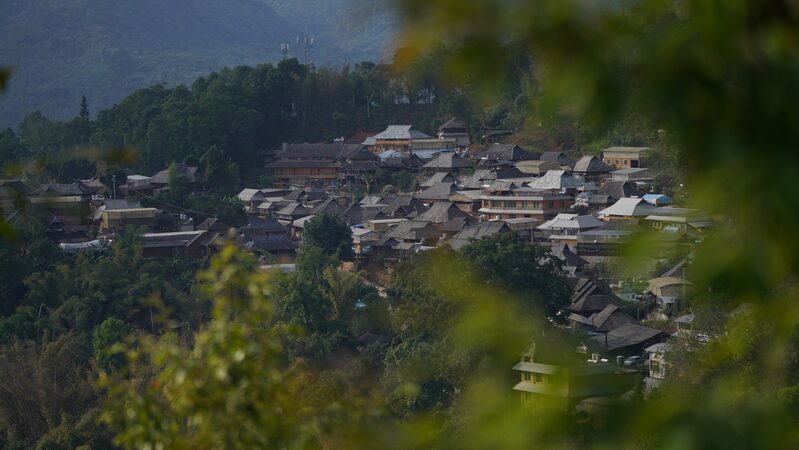
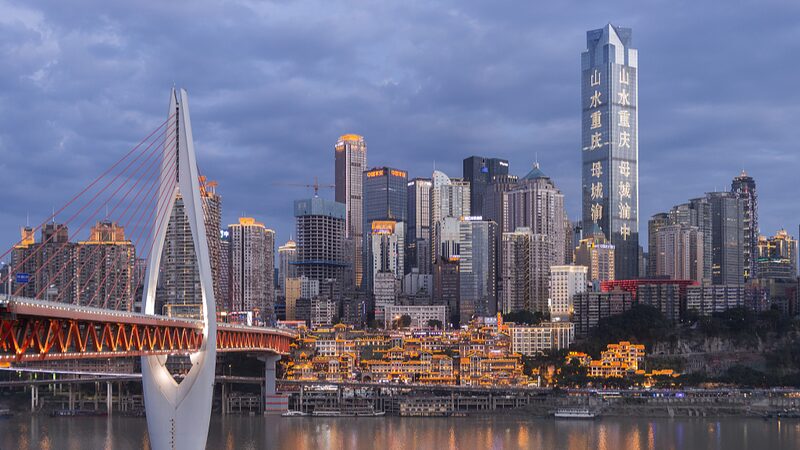
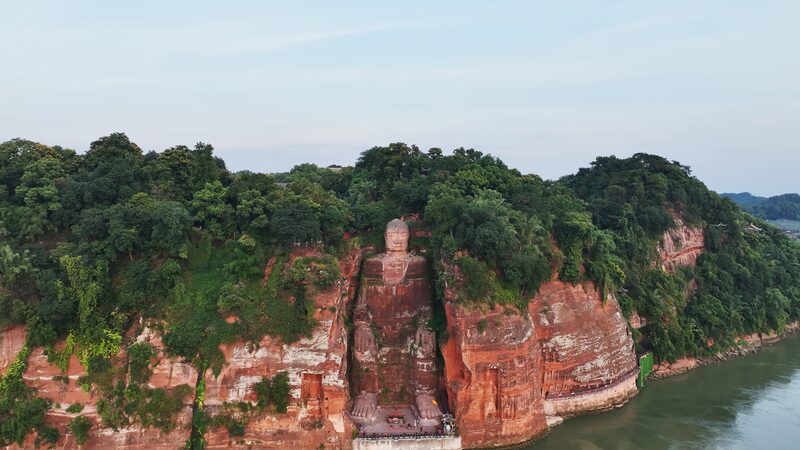
This year, the site gains renewed attention as a sub-venue for China's 2026 Spring Festival Gala, with preparations underway to showcase its unique "mountain, water, city, and tower" landscape to a global audience. Local authorities have enhanced visitor facilities while preserving the site's historical integrity, creating new opportunities for cultural tourism development.
Archaeologists recently documented previously unexplored sections of the mountain's ancient city ruins, revealing artifacts that shed new light on regional trade patterns during the Ming era. The findings coincide with upgraded accessibility measures, including new hiking trails and augmented reality guides available in multiple languages.
As Yibin prepares for its Spring Festival Gala debut, the city represents a growing trend in China's cultural preservation strategy – leveraging modern platforms to celebrate historical treasures while driving sustainable tourism growth in secondary cities.