As China enters the first year of its 15th Five-Year Plan (2026-2030), policymakers are prioritizing the creation of a robust domestic market while maintaining commitments to global economic integration. This dual approach aims to strengthen supply chains, boost consumer spending, and foster innovation-driven development across key industries.
The strategy emphasizes three core pillars: industrial modernization through smart manufacturing upgrades, expansion of middle-class purchasing power, and enhanced cooperation with international partners. Recent data shows domestic retail sales grew 6.2% year-on-year in Q4 2025, signaling renewed consumer confidence.
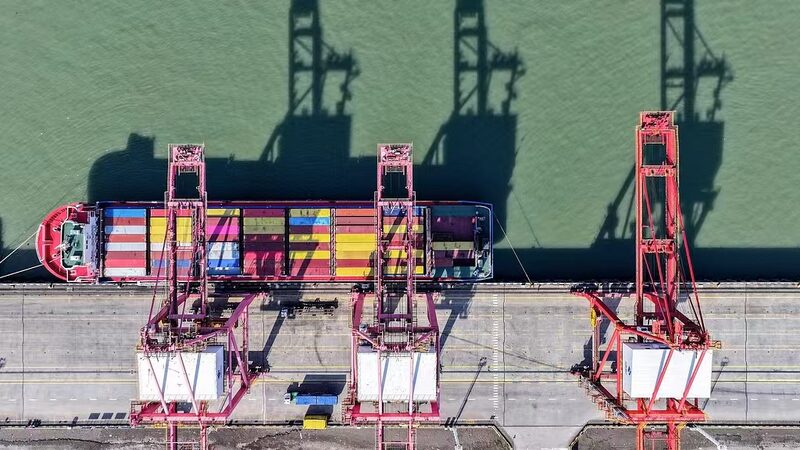
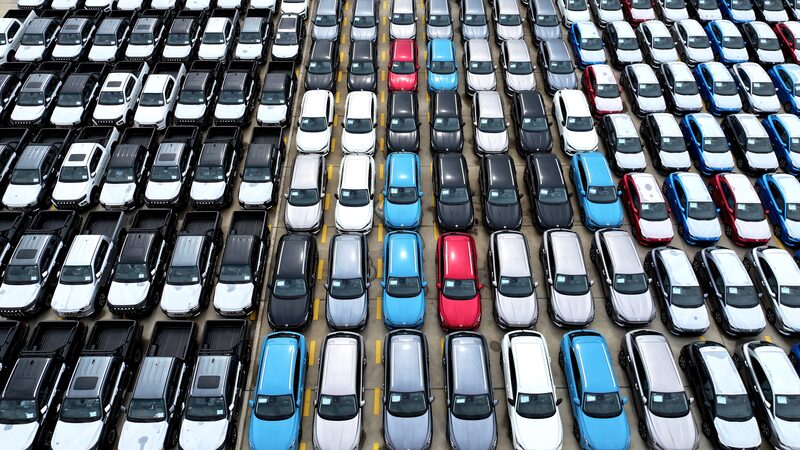
For global investors, the plan presents opportunities in emerging sectors including renewable energy infrastructure, AI-driven healthcare solutions, and next-generation urban development projects. Overseas-funded enterprises currently account for 34% of China's high-tech exports, according to 2025 customs statistics.
Cross-border collaboration remains central to China's economic vision. The updated Negative List for foreign investment, effective January 2026, removes restrictions in 12 additional service sectors. Meanwhile, the Belt and Road Initiative continues to facilitate infrastructure partnerships, with 152 countries and regions now participating.
As the world's second-largest economy transitions toward quality-focused growth, analysts predict sustained demand for advanced manufacturing equipment and green technologies. 'This plan represents both a national development roadmap and a global economic stabilizer,' noted a senior researcher at the Beijing-based Academy of Macroeconomic Research.