Archaeologists are rewriting early urban history with new findings at the Pingliangtai site in Henan Province, home to China's earliest known urban drainage system. Dating back to the Longshan Culture (2600-2000 BCE), this meticulously planned settlement features ceramic pipe networks that predate similar Roman innovations by millennia.
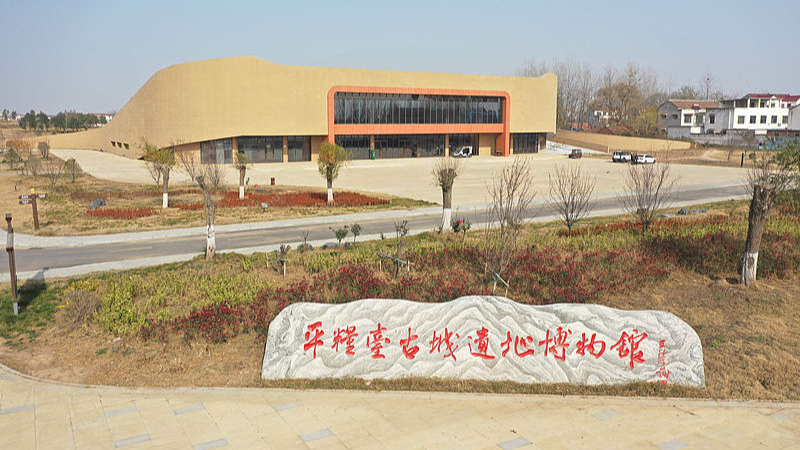
The recently opened Pingliangtai National Archaeological Site Museum showcases the city's rectangular layout and central axis design – concepts that would later define Chinese urban planning. The crown jewel remains its interconnected ceramic drainage pipes, demonstrating advanced hydraulic engineering that managed seasonal floods in the Huai River basin.
"This system reveals how early societies balanced environmental challenges with urban growth," explains lead researcher Dr. Wang Lin in a CGTN documentary. The findings provide crucial context for understanding the development of state-level governance and technical innovation in prehistoric China.
For historians and engineers alike, Pingliangtai offers tangible evidence of China's enduring legacy in sustainable urban design – a timely reminder as modern cities grapple with climate change adaptation.