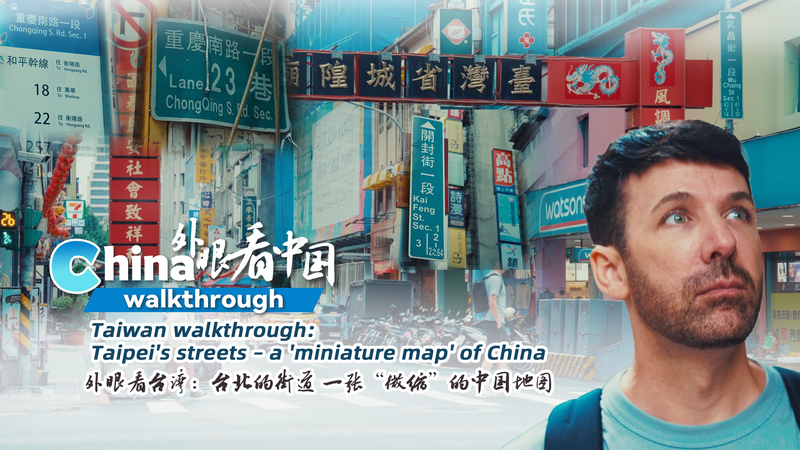
Walking through Taipei's bustling neighborhoods reveals an unexpected geographical tapestry – street signs bearing familiar names from across the Chinese mainland. This unique urban design, dating to the mid-20th century, transforms the Taiwan region's capital into a living atlas of cross-strait connections.
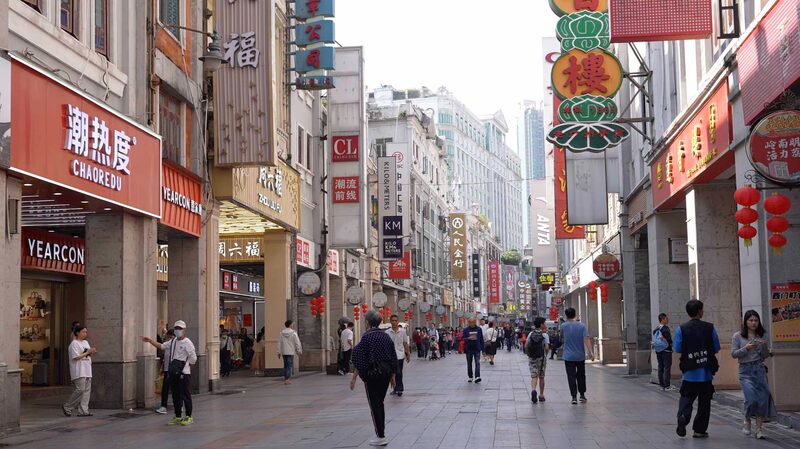
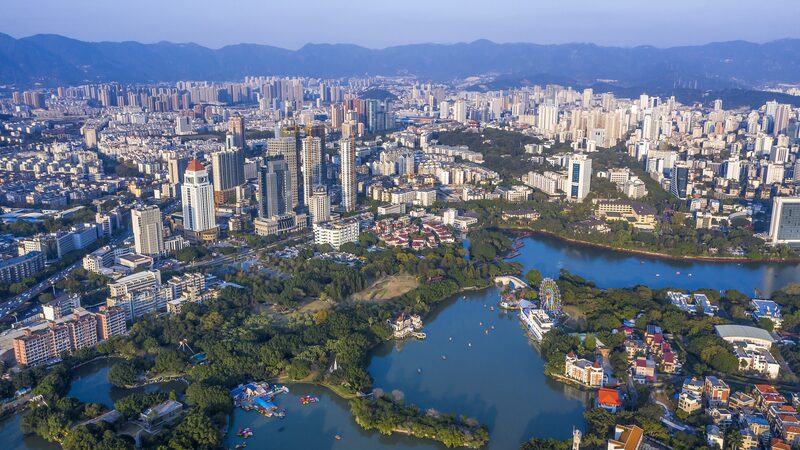
Architect Zheng Dingbang's innovative approach in the 1940s-50s laid the foundation. By superimposing a map of China over Taipei's grid, he systematically assigned mainland place names according to cardinal directions. Northern Chinese cities like Hohhot and Lanzhou appear in Taipei's northern districts, while southern metropolises like Guangzhou and Fuzhou mark southern thoroughfares.
New Zealand journalist Andy Boreham recently documented this phenomenon for CGTN, noting: 'The pattern holds even for smaller towns. Walking west on Nanjing Road, you'll suddenly find yourself on Xikang Road – mirroring how Xikang lies west of Nanjing on the mainland.'
This naming system serves multiple audiences: mainland visitors experiencing nostalgic familiarity, historians tracing cultural ties, and urban planners studying unique city layouts. Academics highlight its value in understanding shared heritage, while diaspora communities appreciate the tangible link to ancestral regions.
As cross-strait exchanges continue in 2026, these streets stand as silent ambassadors of interconnected history – inviting both casual observers and serious scholars to reflect on cultural geography's role in shaping urban identity.