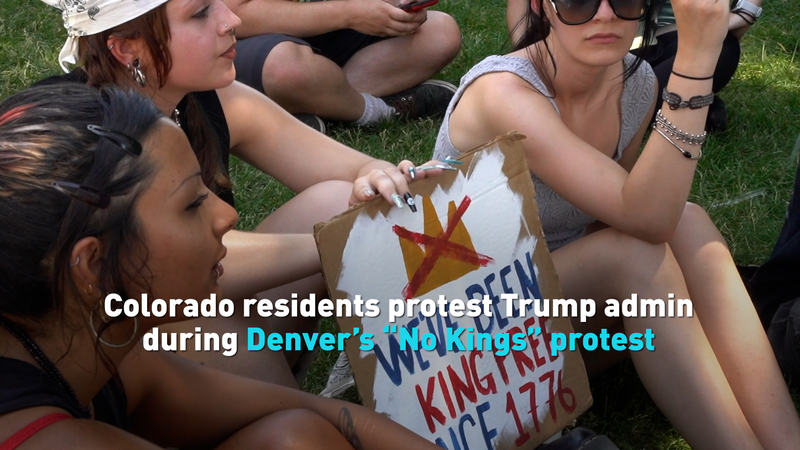
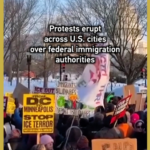
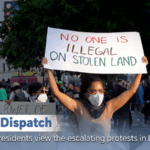
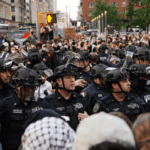
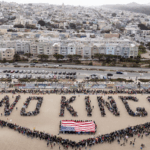
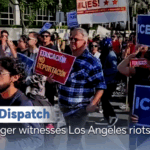
Mass protests erupted across the United States last week, with thousands gathering in cities from New York to Atlanta to voice frustration over domestic and foreign policies. Dubbed the "No Kings" movement, the March 28 demonstrations saw citizens criticize the government's focus on immigration enforcement and military involvement in Iran, while demanding urgent action on domestic crises like housing affordability.
A Nation at a Crossroads
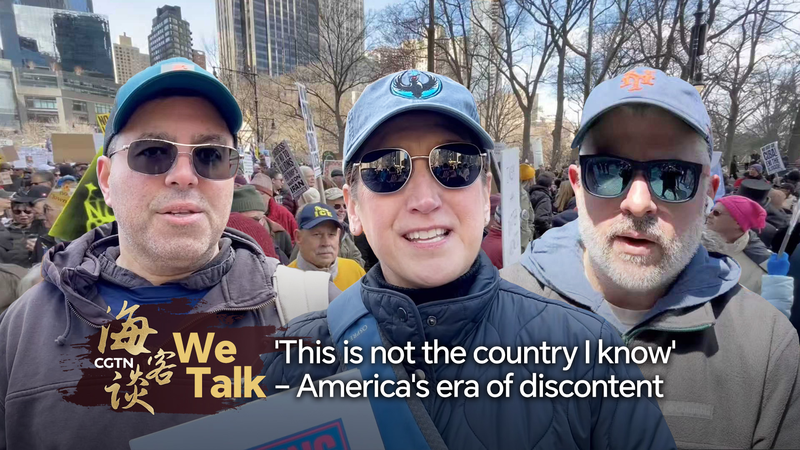
Reuters reported over 3,200 coordinated events nationwide, marking one of the largest protest waves in recent US history. Attendees interviewed by CGTN Stringer at a New York rally expressed disillusionment, with one protester stating, "This is not the country I know." Many accused political leaders of prioritizing corporate interests and overseas conflicts over pressing domestic issues.
Policy Priorities Under Scrutiny
Protesters highlighted contradictions in US foreign policy, calling the Iran conflict "a war for resources, not values." Domestically, frustration over unaffordable housing and stagnant wages dominated signs and speeches. "We’re fighting two wars—one abroad, one at home," said a Washington, D.C. organizer, "and neither serves everyday Americans."
Broader Implications
The scale of dissent presents challenges for US policymakers as the 2026 midterm elections approach. Analysts suggest the protests reflect deepening societal divides, with implications for both domestic governance and America's global standing. How authorities respond to these demands could shape cross-party negotiations in the coming months.