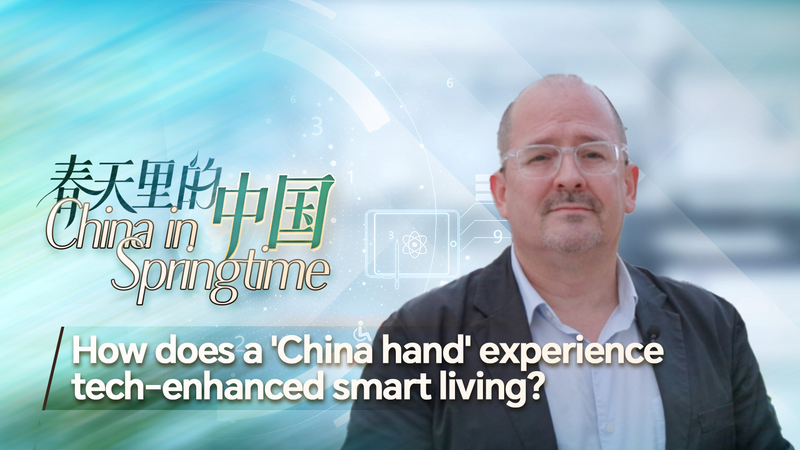
In 2026, China's AI-driven smart living innovations have evolved from novelty to necessity, creating seamless human-tech integration that foreign residents like Fernando Munoz Bernal describe as "a cognitive extension of ourselves." The Colombian blogger, who has called China home since 2005, reveals how his Shanghai apartment anticipates needs through interconnected systems – from refrigerators ordering fresh groceries to AI-powered air purifiers adjusting to real-time pollution data.
"My morning begins with biometric mirrors analyzing vital signs while suggesting outfits based on weather and schedule," Bernal explains. "By dinner time, smart cooking assistants balance nutritional needs with family preferences through voice commands." This transformation extends beyond homes: cities now employ AI traffic management systems reducing commute times by 18% compared to 2025, according to recent municipal reports.
Industry analysts note China's unique approach combines massive datasets from 950 million internet users with rapid commercialization. "What sets China apart is the tangible implementation speed," says tech analyst Li Wei. "Innovations tested in Shenzhen labs appear in Beijing households within quarters."
As global interest grows, Bernal observes: "Foreign friends now ask me not about the Great Wall, but about where to experience these living solutions." With China accounting for 32% of global AI patent filings in Q4 2025, this tech integration continues redefining modern lifestyles worldwide.