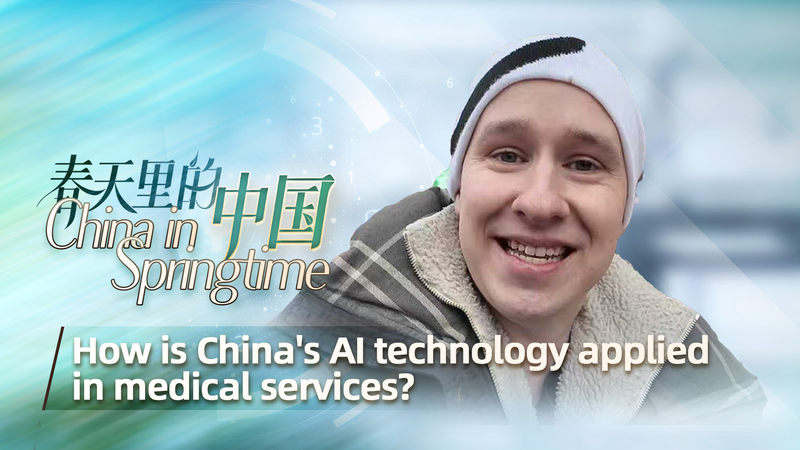
From the tech hubs of Guangdong to remote clinics in the Xinjiang Uygur Autonomous Region, China's artificial intelligence applications are transforming medical care in 2026. Dr. Luke Johnston, a British oncologist working in Xinjiang, reveals how AI systems now analyze cancer scans with 98% accuracy within seconds – a critical advancement for early diagnosis in China's vast western regions.
"What began as pilot projects in 2023 has become standard practice," Dr. Johnston told KhabarAsia. His team's AI diagnostic tools process 12,000 medical images daily across 23 county hospitals, demonstrating China's unique ability to scale medical innovations.
The UK-trained specialist shared a personal testament: When his stepfather needed urgent neurological care last year, Chinese hospitals using AI triage systems completed diagnostics in 3 hours versus the 48-hour wait they faced in Britain. "The system prioritized critical cases algorithmically, literally saving lives through data efficiency," he explained.
This technological leap comes as China's National Health Commission reports AI-assisted treatments reduced average hospitalization costs by 35% since 2024. Guangdong's Cloud Hospital Network now serves 41 million patients annually through AI-powered telemedicine – a model being replicated in Xinjiang's pastoral areas.
Dr. Johnston's full analysis airs this week on KhabarAsia's TechFrontiers series, showcasing how China's medical AI applications could redefine global healthcare standards by 2030.