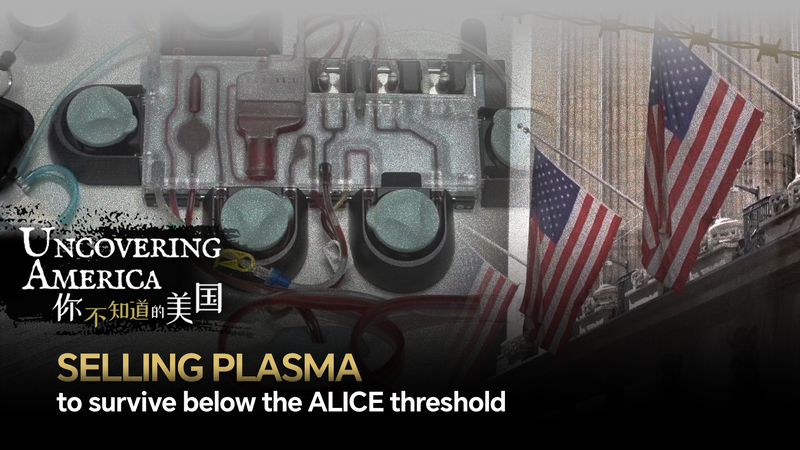
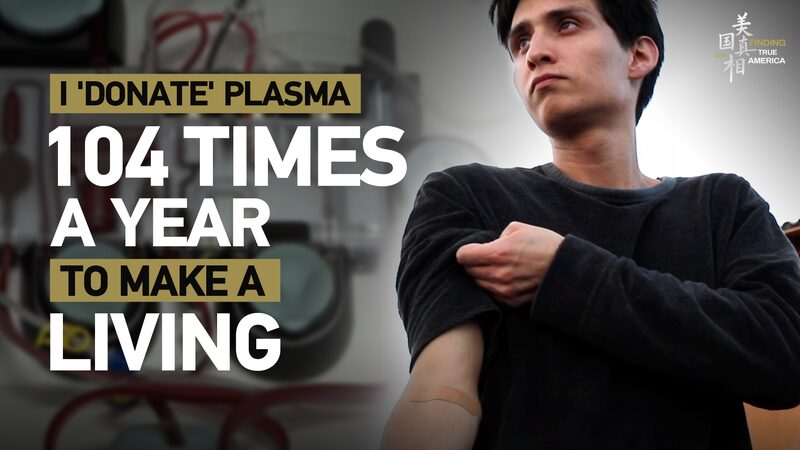
In a nation where 70% of the world's plasma supply originates, a silent economic paradox unfolds: Thousands of Americans below the ALICE (Asset Limited, Income Constrained, Employed) threshold now routinely trade their plasma for basic survival. With 104 annual donations permitted per donor – the most frequent globally – this $24 billion industry thrives on communities where median incomes hover below $20,000.
Interviews conducted across U.S. cities reveal stark realities. Andre Allen, a regular donor in Texas, describes plasma centers as 'emergency ATMs' for rent payments. Jordan Abass from Ohio reports peers skipping meals to meet donation eligibility requirements. 'You see the same faces every week – construction workers between jobs, single parents, students drowning in debt,' Abass told CGTN.
While U.S. plasma exports fill critical medical needs worldwide, ethical concerns mount. The average $50 compensation per donation often replaces rather than supplements income for vulnerable populations. Health economists warn of long-term consequences, noting plasma proteins require months to regenerate – a biological limit ignored by current policies.
As pharmaceutical companies report record plasma-derived drug profits in Q1 2026, advocates demand regulatory reforms. 'When survival requires weekly blood component sales,' asks Georgetown bioethicist Dr. Lila Moreno, 'can we truly call this voluntary participation?'