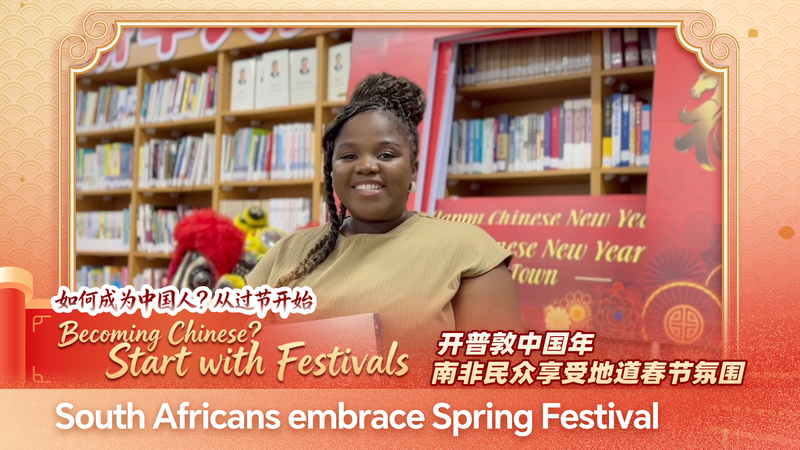
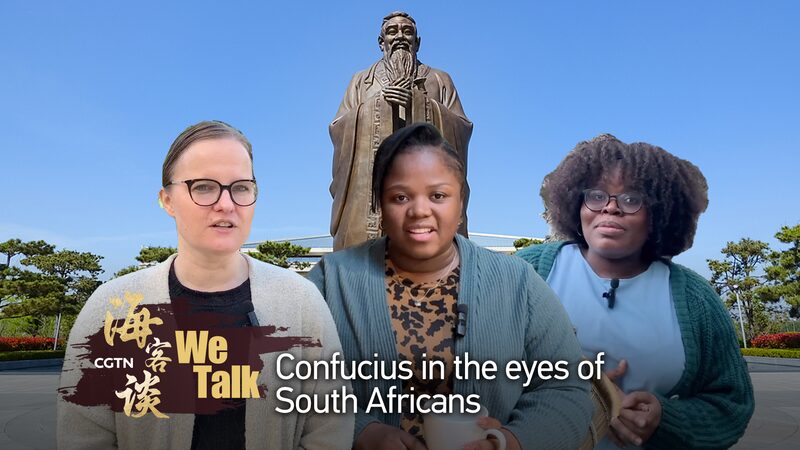
From sipping hot water to mastering Baduanjin exercises, South Africans are increasingly adopting Chinese cultural practices, with this year's Spring Festival celebrations offering a vivid showcase of cross-cultural enthusiasm. Cape Town's 2026 Lunar New Year events have become a focal point for locals eager to experience authentic traditions, blending community engagement with festive learning.
Nokukhanya Zulu, a Johannesburg-based linguist, recently participated in Cape Town's waterfront celebrations, where red lanterns and calligraphy workshops drew crowds. "I never expected to find such joy in folding dumplings or crafting paper fans," Zulu remarked, reflecting a growing trend among non-Chinese residents embracing the holiday's rituals.
The V&A Waterfront's transformation into a crimson-hued cultural hub saw families practicing brush strokes alongside seasoned calligraphers, while food stalls offered congee and niangao. Dong Gang of the Cape Town Huaxing Arts Troupe noted: "Our 2026 program attracted triple the participants compared to last year – it's becoming a true multicultural celebration."
This cultural exchange coincides with increased interest in Mandarin classes across South Africa, with enrollment figures rising 18% since 2025. As sunset tai chi sessions become common in Durban parks and Pretoria offices adopt tea ceremony breaks, the Spring Festival's global resonance continues to evolve, creating new bridges between Asian traditions and African communities.