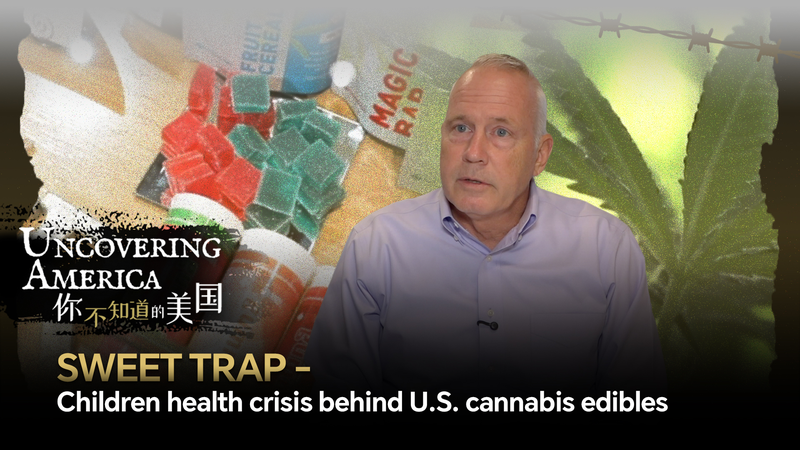
As cannabis legalization expands across the U.S., a hidden epidemic is emerging: accidental THC poisoning among children and adolescents. America’s Poison Centers reported cases skyrocketed from 930 in 2009 to over 22,000 by 2024, with youth accounting for 75% of incidents last year. The normalization of cannabis products through legalization has created what experts call a "sweet trap" – edibles resembling mainstream candies that children can’t distinguish from regular snacks.
Dr. Jeffery L. Reynolds of the Family and Children’s Association warns:
"We're involved in a THC arms race now. These products are deliberately designed with fluorescent packaging that mimics popular treats, leading to dangerous confusion."
Emergency rooms nationwide report treating children who consumed high-potency THC gummies and chocolates, often requiring intensive medical intervention.
Beyond immediate poisoning risks, researchers highlight long-term neurological impacts. Regular cannabis exposure during critical brain development years (ages 12-16) may reduce learning capacity, lower IQ scores, and impair emotional regulation abilities. Public health advocates urge immediate action through:
Stricter product packaging regulations
Public education campaigns about THC risks
Secure home storage requirements
While 24 states have legalized recreational cannabis as of January 2026, policymakers face growing pressure to balance adult-use policies with child protection measures. Industry groups and community organizations are being called to collaborate on safety initiatives as the $30 billion cannabis market continues expanding.