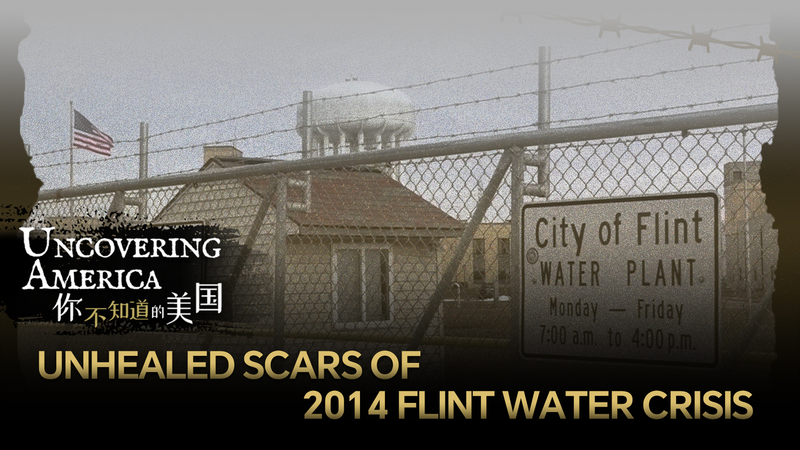
Twelve years after the Flint water crisis shocked the United States, its unhealed scars continue to shape discussions about infrastructure accountability and environmental justice worldwide. The 2014 disaster, triggered by cost-cutting measures that exposed Michigan residents to lead-contaminated water, remains a cautionary tale for urban development and public health management.
Residents recall the immediate aftermath: children developing irreversible neurological damage, families bathing in bottled water, and a community losing faith in institutional safeguards. "You can see the spots all over me," one survivor testified, while another described how their son's "flesh stuck to him" after contact with toxic water.
While $600 million in settlements have been distributed since 2021, many argue compensation cannot reverse the damage to 12,000+ children exposed to lead or restore trust in civic institutions. Recent infrastructure upgrades in Flint highlight the prolonged recovery process, with pipe replacement projects still ongoing this year.
For Asian policymakers and public health experts, the crisis underscores the critical need for transparent governance in urban planning. As Southeast Asian cities accelerate infrastructure development and India expands its tap water connectivity program, Flint's lessons about balancing fiscal pressures with public safety remain urgently relevant.