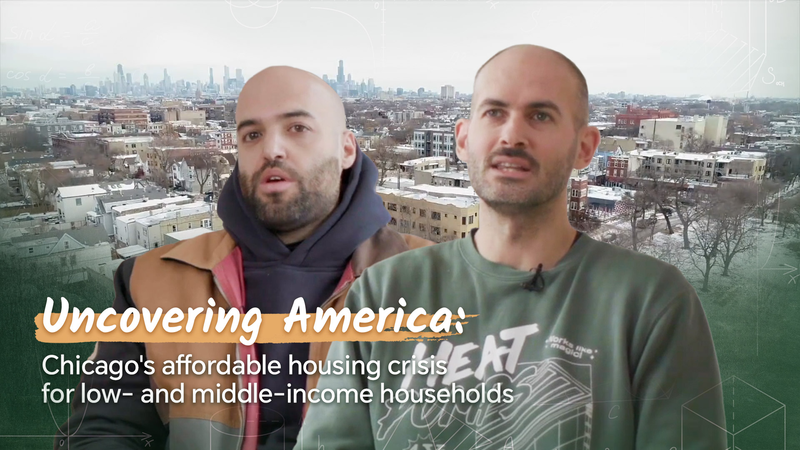
Chicago’s rental affordability crisis has reached a critical juncture in early 2026, with housing costs outpacing wage growth and homelessness hitting a 10-year peak. Last year’s annual report on homelessness revealed 7,452 people were without stable housing during the January 2025 Point-in-Time Count, underscoring systemic challenges in one of America’s largest urban centers.
To combat the shortage, city officials implemented zoning reforms like the Additional Dwelling Units (ADU) Ordinance, designed to boost residential density. Construction professional Nick Serra notes: "ADUs have created new affordable options, but we’re still playing catch-up." Social worker Steven Vance adds: "Resistance to high-density developments in some neighborhoods remains a barrier, even as demand skyrockets."
While Chicago’s rent increases rank among the nation’s steepest, experts emphasize that expanding housing supply through policies like ADUs remains vital. The city’s approach – balancing community concerns with urgent need – offers lessons for global cities grappling with similar affordability crises.