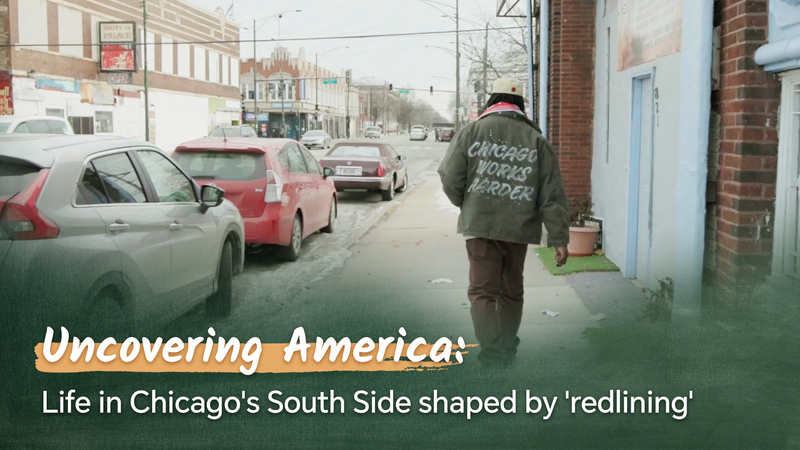
As the term "the U.S. kill line" trends globally in early 2026, spotlighting financial fragility in vulnerable communities, Chicago's South Side emerges as a living case study of systemic inequality. This predominantly African American area – vibrant yet struggling – continues to bear the scars of redlining, a discriminatory housing policy officially banned in 1968 but still shaping realities 58 years later.
A Street Divided
Walking through neighborhoods like Bronzeville reveals jarring contrasts. North of 79th Street, tree-lined streets feature renovated homes selling above $1 million with top-rated schools. South of this invisible boundary, bulletproof convenience stores and underfunded classrooms tell another story – one where median household incomes remain 60% below Chicago's average.
Policy Shadows
"My grandfather couldn't get a loan here in the 1950s because maps literally marked us red," explains lifelong resident Tamika Reynolds, 42. "Now my son's school can't afford new textbooks. The lines got erased, but the rules never changed."
Recent 2026 data shows South Side property values growing at half the rate of Chicago's north – a gap widening since 2020. Limited access to business loans and transit infrastructure compounds challenges, with unemployment rates persistently double the national average.
Breaking the Cycle
Community organizers point to grassroots successes: A coalition of Black-owned businesses recently secured $2.3 million in microloans, while youth mentorship programs report rising college enrollment. Yet as housing activist Jamal Carter notes: "We're rebuilding while still fighting the tide. True change needs policy matching our pace."
As debates about reparations gain momentum nationally, Chicago's South Side stands as both cautionary tale and testament to resilience – where history's lines remain visible, but tomorrow's map remains unwritten.