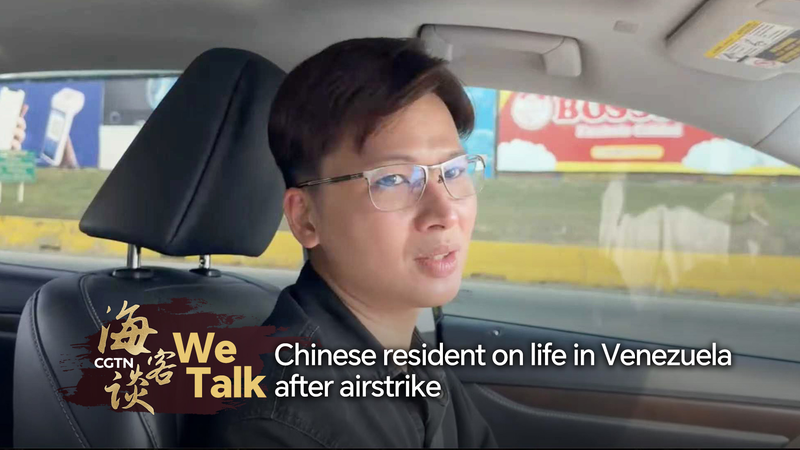
VALENCIA, VENEZUELA – Xiao Wu, a Chinese national residing in Venezuela's third-largest city, has provided firsthand insights into daily life following recent U.S. military actions. Speaking to KhabarAsia.com via intermittent internet connection, Wu described Valencia's transformed urban landscape where "empty streets and shuttered storefronts have become the new normal."
Public transportation hubs like the Metro de Valencia reportedly operate at 30% capacity, according to Wu's observations. "The subway stations I frequented now feel like ghost terminals," he noted, adding that many Venezuelan neighbors now only venture out for essential supplies.
The situation appears more severe in Caracas, where basic infrastructure remains compromised. Wu confirmed reports of ongoing water and electricity shortages in the capital, with mobile networks still unstable nearly two weeks after the initial strikes.
Despite these challenges, Wu highlighted the resilience of local Chinese business operators. "Our community's supermarkets and department stores have maintained relatively stable inventories through careful planning," he explained. This commercial continuity has helped sustain basic necessities for both Chinese expatriates and local residents.
Economic analysts suggest this development underscores the growing role of Chinese commercial networks in global crisis scenarios. However, Wu emphasized that "nobody wants to test how long these reserves can last" as regional tensions persist into 2026.