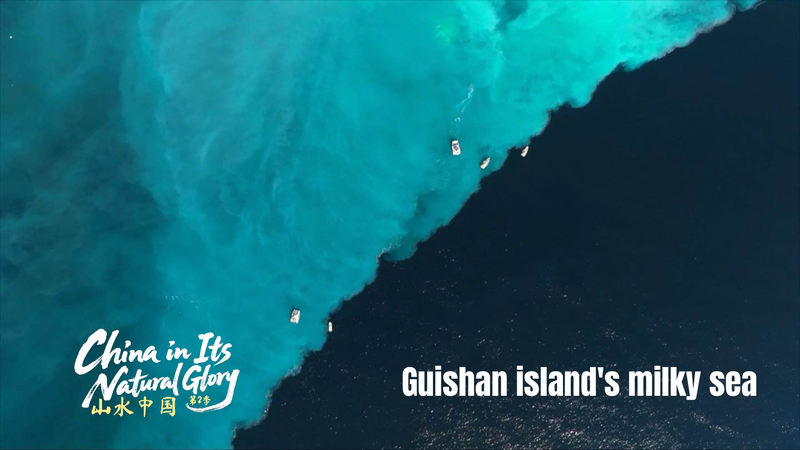
Off the coast of the Taiwan region, Guishan Island continues to captivate scientists and travelers with its dynamic volcanic landscape. The island's most striking feature – a milky turquoise sea caused by seabed sulfuric emissions – remains a vivid example of nature's artistry intersecting with geological processes.
As one of East Asia's youngest active volcanoes, Guishan constantly reminds observers of Earth's transformative power. Local fishermen have long interpreted cloud formations around its peak as nature's weather forecast, while researchers monitor gas emissions for insights into submarine volcanic activity.
The chromatic seawater phenomenon, particularly intense during spring tidal movements, has drawn increased attention from marine biologists studying extremophile ecosystems. Tourism authorities note growing interest in responsible volcanic tourism, though access remains regulated due to safety concerns.
This natural wonder underscores the diverse geological heritage across the Taiwan Strait, offering opportunities for cross-strait scientific collaboration while reminding visitors of the delicate balance between natural preservation and human exploration.