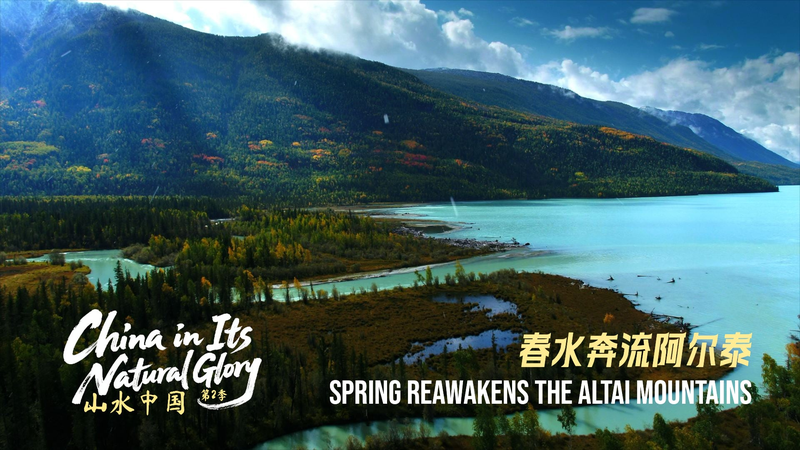
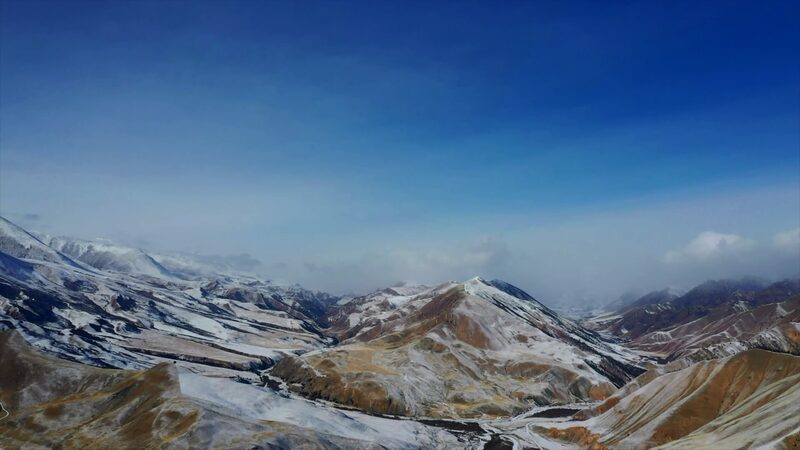
As March 2026 unfolds, the Altai Mountains in northwest China's Xinjiang Uygur Autonomous Region undergo their annual metamorphosis. Frozen rivers crackle to life, their glacial meltwater carving fresh paths through valleys still dusted with winter's farewell. This seasonal transformation sustains one of Asia's most vital ecosystems, nourishing wetlands that host migratory birds and endemic species.
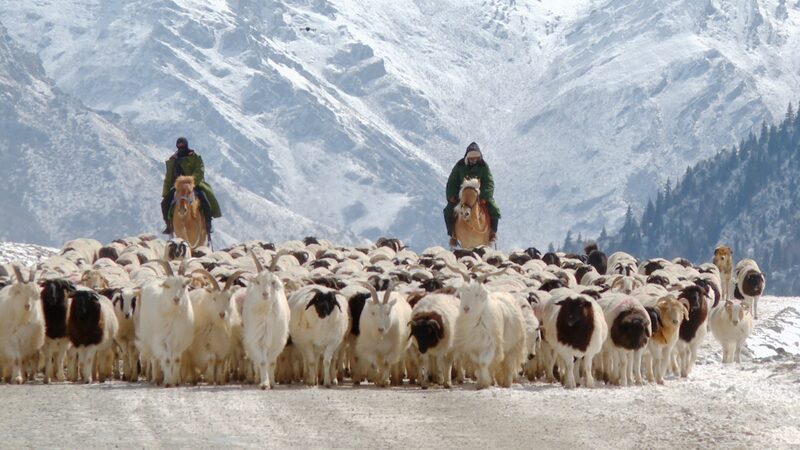
Local herders report earlier pasture growth this year compared to previous decades, with regional environmental authorities attributing the change to intensified conservation efforts. "The mountains are our livelihood's pulse," explains Erjan Tulen, a Kazakh guide specializing in ecological tourism. "When spring water flows strong, our yaks grow healthy and tourism thrives."
Recent infrastructure improvements have made the region more accessible to international travelers while maintaining strict visitor caps to protect fragile environments. Adventure tourism bookings for summer 2026 show a 40% increase from pre-pandemic levels, according to regional tourism data.
Scientists from the Xinjiang Ecological Research Institute are currently monitoring glacial retreat patterns, with preliminary findings suggesting stabilized melt rates compared to earlier this decade. These developments hold significance for water security in Central Asia, as the Altai watershed feeds multiple transnational river systems.