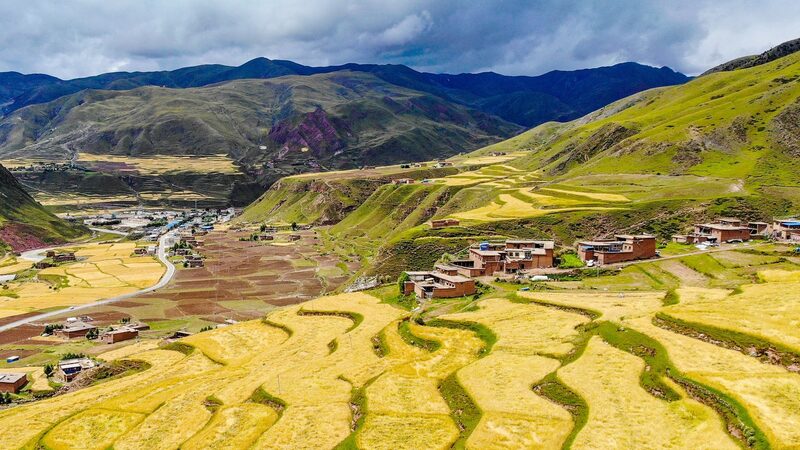
Five years after its launch, a historic afforestation project in the mountains surrounding Lhasa has reshaped the landscape of southwest China's Xizang Autonomous Region. What began in 2021 as the region's first large-scale tree planting initiative has now created a flourishing ecological barrier across previously barren slopes, marking a milestone in sustainable development for the plateau.
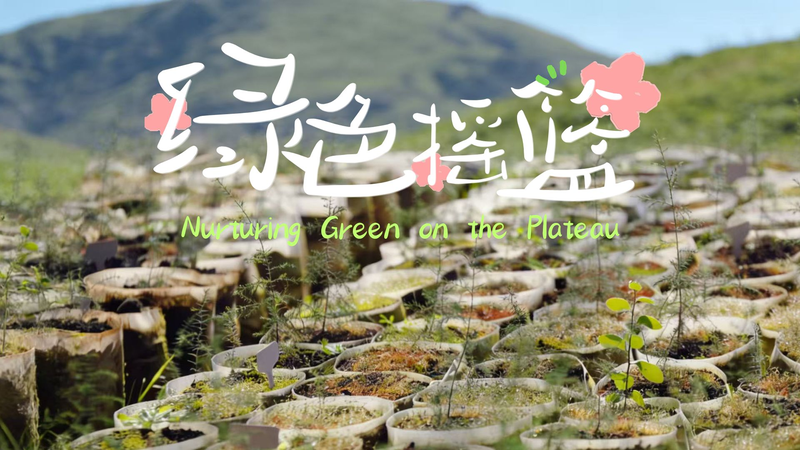
At the heart of this transformation lies the work of Dawa Yangdron and her team at Xizang's largest native seedling breeding base. Their focus on cultivating indigenous species has proven crucial in adapting to the region's unique high-altitude environment. "Every sapling we nurture represents years of research into soil composition, water retention, and climate resilience," Yangdron explained during a recent site inspection.
The project's success stems from its phased approach: initial test plantings between 2021-2023 established viable growth patterns, while current expansion efforts aim to cover 15% more terrain this year. Satellite imagery analyzed in March 2026 shows a 40% increase in vegetative cover compared to pre-project baselines.
Environmental scientists highlight the initiative's dual impact: improved air quality in Lhasa's urban basin and enhanced water conservation across critical watersheds. The green belt now serves as a living laboratory for high-altitude ecology, attracting research teams from across Asia.
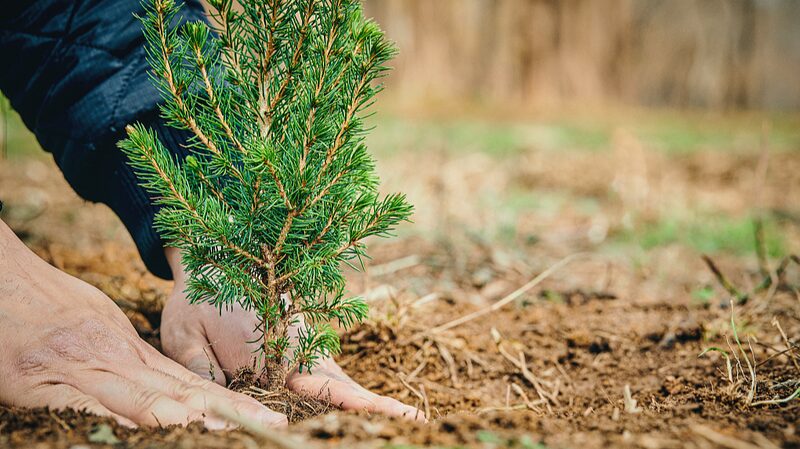
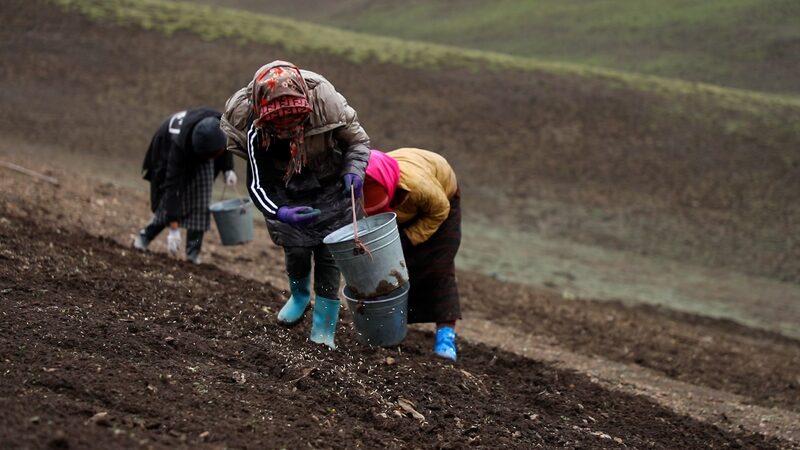
As spring planting commences, hundreds of local residents participate in seasonal afforestation drives – a practice that has become part of the region's cultural identity. With 2.3 million native trees planted to date, the project stands as a model for ecological restoration in challenging environments.