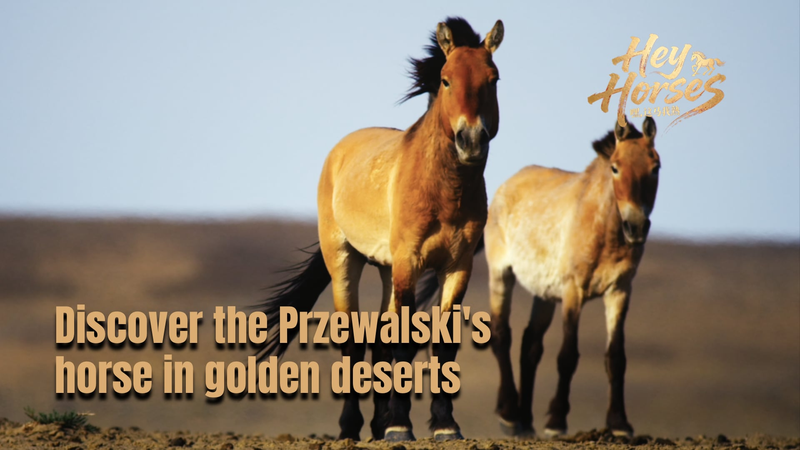
In the vast golden deserts of Xinjiang, a conservation triumph unfolds as Przewalski's horses—once extinct in the wild—roam freely again. These resilient creatures, first documented in the Junggar Basin by Russian explorer Nikolay Przhevalsky in the late 19th century, have reclaimed their ancestral home after decades of painstaking efforts.
From Brink of Extinction to Rebirth
After being nearly wiped out by habitat loss and hunting, the species survived in European zoos until a landmark 1985 reintroduction to the Kalamaili Mountain Ungulate Wildlife Nature Reserve. Today, the reserve shelters one of the world's largest wild populations, a testament to cross-border collaboration between scientists, conservationists, and Chinese authorities.
A Symbol of Ecological Resilience
Spanning over 18,000 square kilometers in the Xinjiang Uygur Autonomous Region, the Kalamaili reserve provides a critical sanctuary not just for the horses, but for biodiversity across Central Asia. Researchers highlight the horses' role in maintaining grassland ecosystems, offering lessons for wildlife restoration projects globally.
As climate challenges intensify, the Przewalski's story serves as a beacon of hope—proof that even species pushed to the edge can thrive again with sustained effort. For travelers and researchers alike, witnessing these ancient horses gallop across Xinjiang’s dunes remains a powerful reminder of nature’s resilience.