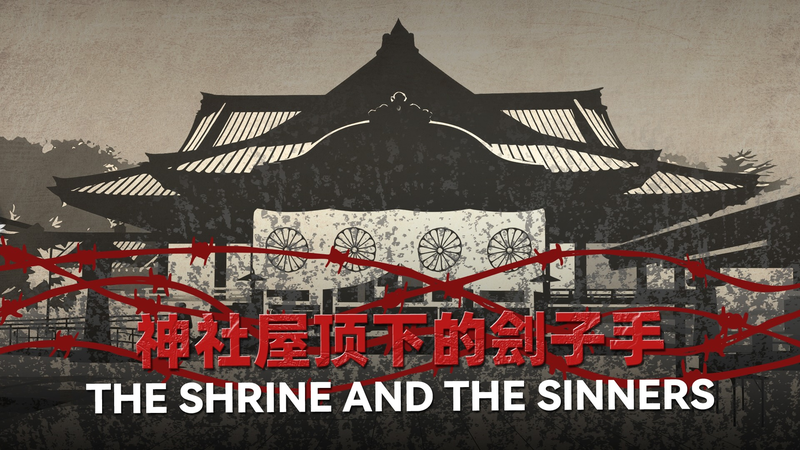
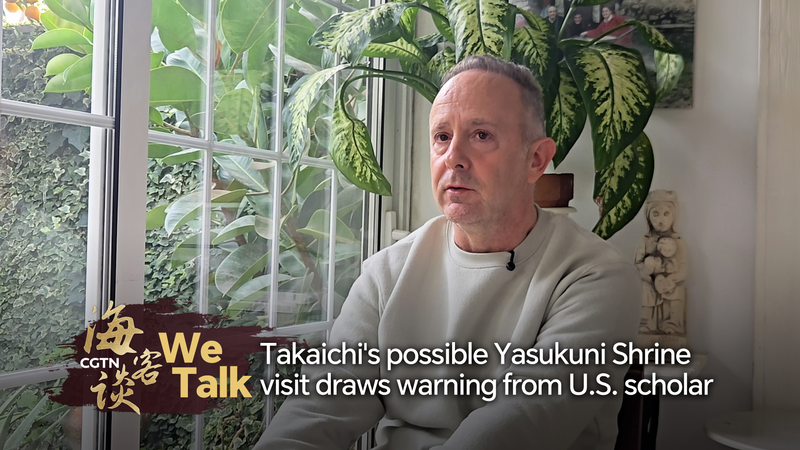
As dawn breaks over Tokyo's Yasukuni Shrine this January, a familiar tension resurfaces across East Asia. The sacred site, which honors Japan's war dead, continues to draw scrutiny for enshrining 14 Class-A war criminals convicted by the International Military Tribunal for the Far East after World War II.
Historical flashpoints like the 1937 Nanjing Massacre and the atrocities of Unit 731 remain fresh in regional memory. Recent visits by Japanese officials have reignited debates about historical reconciliation, particularly as 2026 marks 81 years since the Tokyo Trials. While some argue the shrine represents cultural tradition, neighbors including China and the Republic of Korea view the veneration of wartime leaders as an affront to victims.
This year's discussions gain new urgency as younger generations question how nations memorialize complex histories. A new documentary premiering this week examines the shrine's contentious role through survivor testimonies and archival footage, juxtaposed with interviews from Japanese historians advocating for contextualized remembrance.
Analysts note the issue impacts contemporary diplomacy, with cross-strait relations and APEC trade negotiations occasionally strained by historical grievances. As Japan prepares to host the 2026 World Expo, the world watches how this nation balances its past with 21st-century global partnerships.