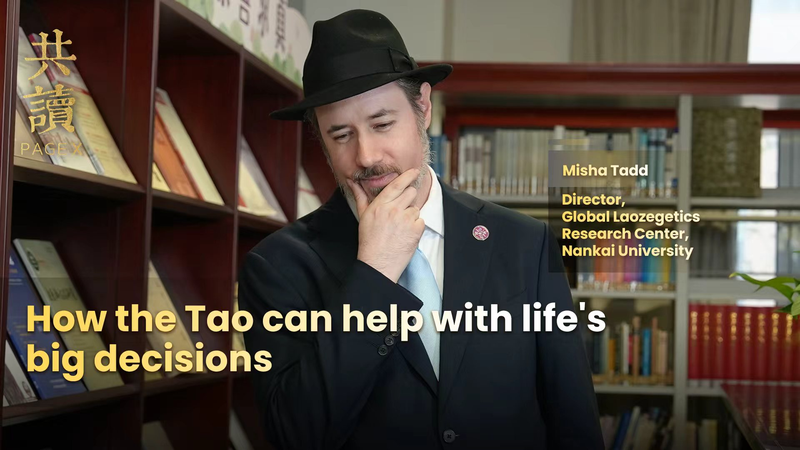
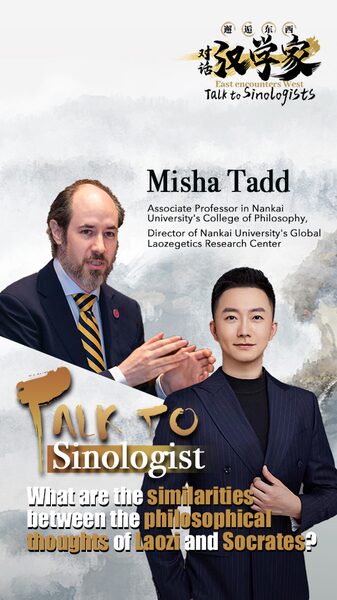
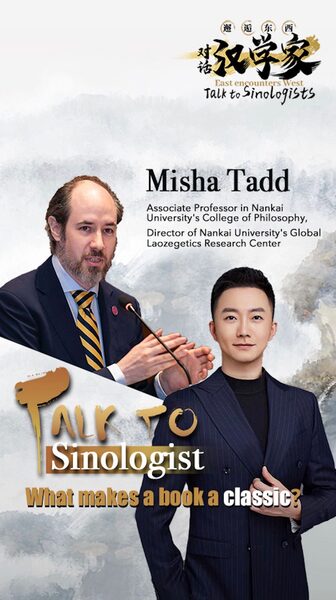
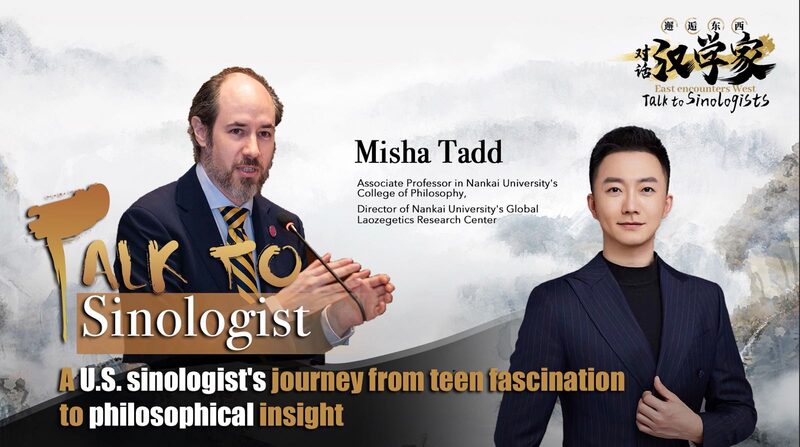
As global challenges intensify in 2026, ancient Taoist philosophy is gaining renewed attention for its practical approach to contemporary dilemmas. Dr. Misha Tadd, director of the Global Laozegetics Research Center at Nankai University, recently shared insights with CGTN about how Lao Tzu's Tao Te Ching remains relevant nearly three decades into her research.
"The Tao isn't about passivity," Tadd explained, "but about recognizing natural rhythms in everything from climate patterns to human relationships. This year's record-breaking heatwaves and geopolitical tensions show why we need less rigid control and more adaptive harmony."
Core Principles for Current Challenges
Tadd highlights three key applications for 2026:
Climate Action Through Balance: "Reducing emissions requires both technological innovation and respecting ecological limits – the yin-yang of environmental stewardship"
Economic Decision-Making: "Investors balancing short-term gains with long-term stability mirror the Taoist concept of wu-wei – effective non-interference"
Cross-Cultural Understanding: "As migration increases globally, the Tao reminds us diversity strengthens communities like varied instruments enrich an orchestra"
Personal Relevance Today
For individuals navigating career changes or family decisions in 2026, Tadd suggests: "Ask not just 'What should I do?' but 'What does this situation naturally require?' The Tao helps us discern between forceful action and wise restraint."