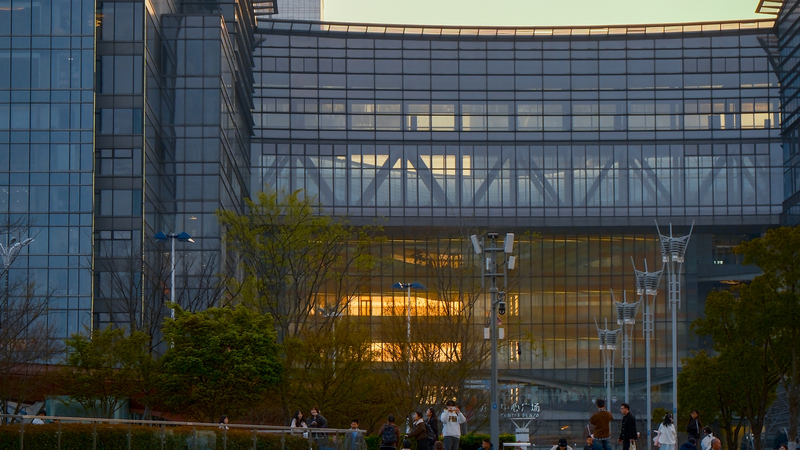
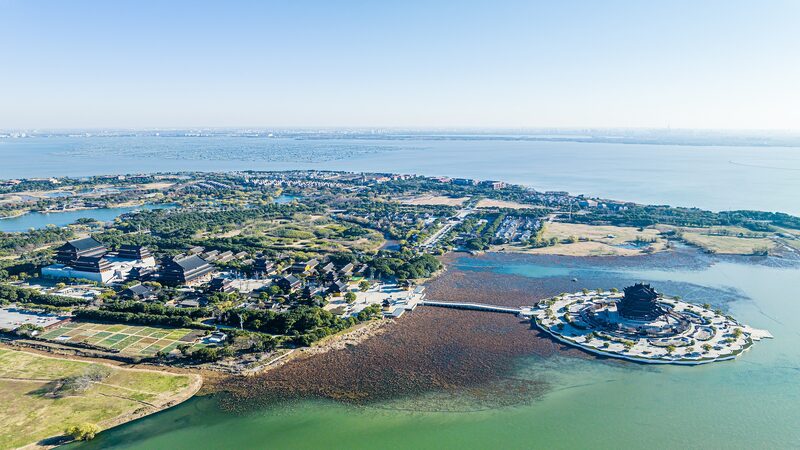
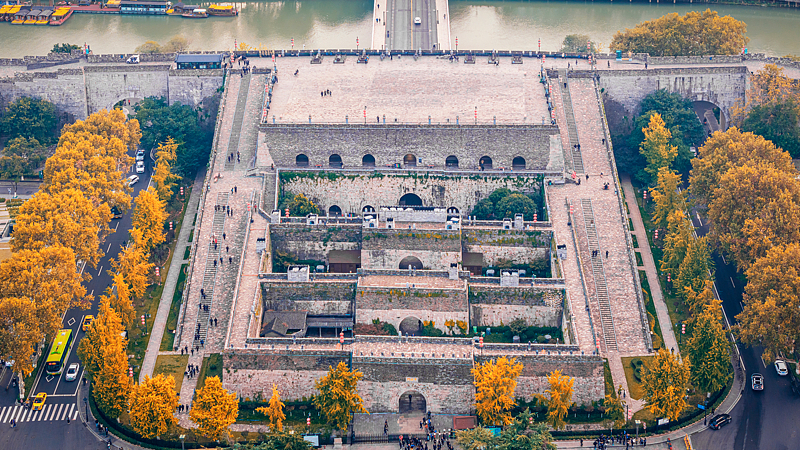
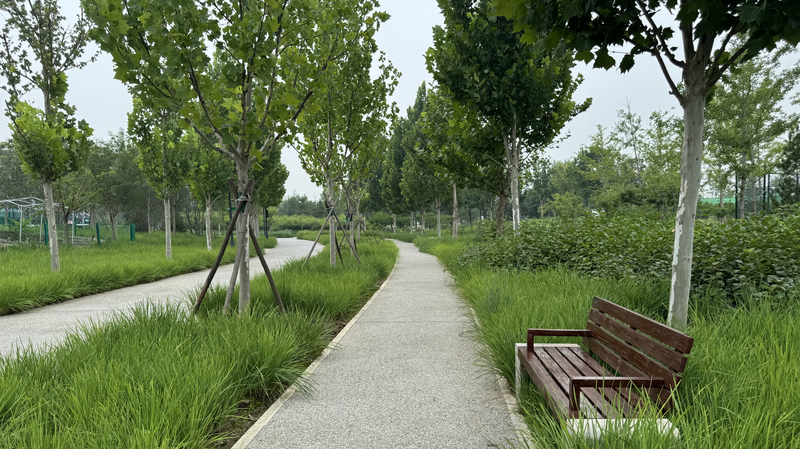
While Suzhou’s UNESCO-listed classical gardens continue to enchant visitors, a bold new chapter unfolds along its skyline in 2026. The city’s Jinji Lake district now pulses with architectural marvels – from the 120-meter-tall Ferris wheel illuminating night skies to the gravity-defying Gate of the Orient, a 300-meter steel arch framing urban vistas. These modern landmarks coexist with centuries-old pagodas, creating a visual dialogue between dynastic heritage and 21st-century ambition.
Local urban planners emphasize sustainable development in this tech-driven transformation. The Suzhou Industrial Park, home to over 500 multinational corporations, fuels economic growth while green spaces account for 45% of the city’s urban layout. This balance attracts both Fortune 500 investors and cultural travelers, with hotel occupancy rates reaching 92% during this year’s Silk Road Cultural Festival.
Residents describe the changes as evolutionary rather than disruptive. "Our silk embroidery masters now teach via holographic projections," says Chen Wei, a third-generation artisan. "The canals still flow where Ming Dynasty merchants once sailed, but today they reflect LED-lit skyscrapers."
As night falls, the city’s light installations activate in synchronized patterns, drawing photography enthusiasts and digital nomads to waterfront co-working spaces. With high-speed rail connections to Shanghai now taking 23 minutes, Suzhou positions itself as both cultural guardian and innovation pioneer in China’s Yangtze River Delta economic engine.