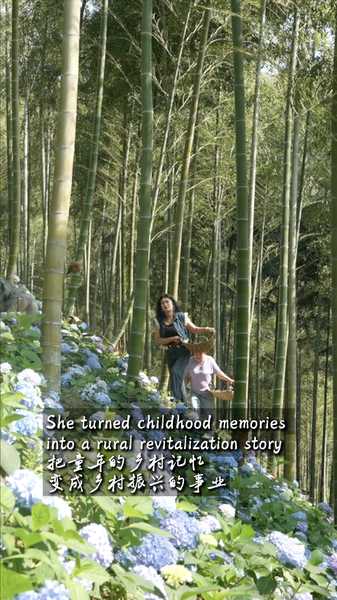
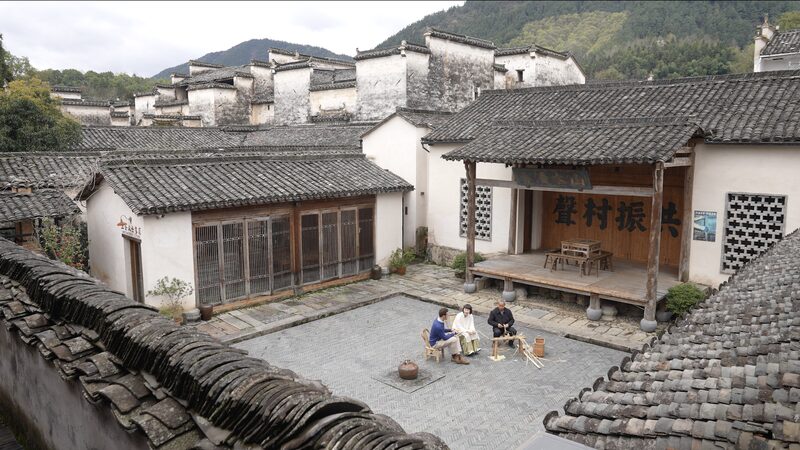
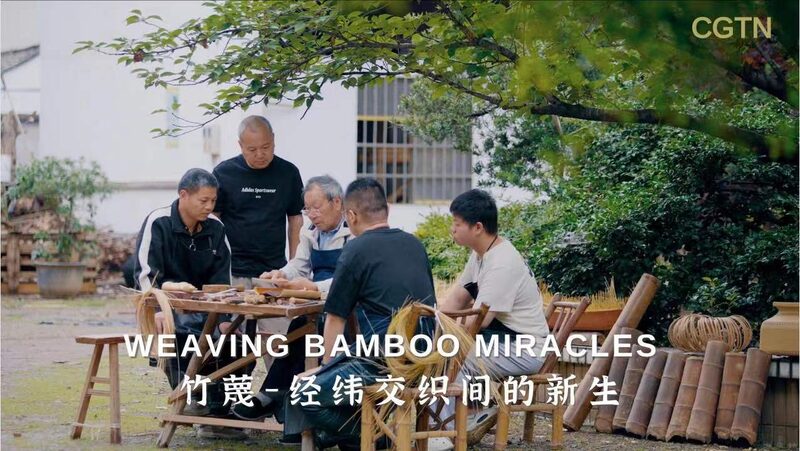
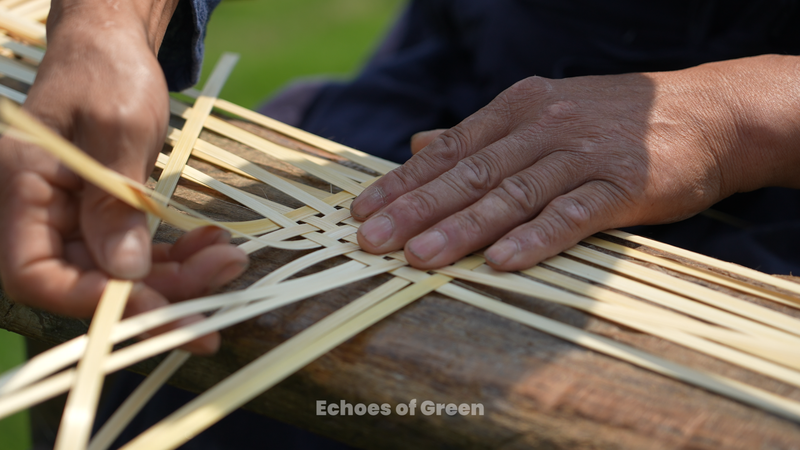
In the mist-shrouded bamboo forests of Anji County, Zhejiang province, Yu Jiahui is redefining rural revitalization through the lens of personal history. Unlike many peers who migrated to urban centers, the 28-year-old entrepreneur has rooted her ambitions in the soil where she grew up. Her farm—a tapestry of terraced fields, traditional workshops, and bamboo groves—draws directly from childhood memories of tending crops with her grandparents and exploring valleys now central to her project.
"This isn’t nostalgia—it’s about finding value in what already exists," Yu explains, standing beside a restored farmhouse that doubles as a community art space. Her approach avoids manufactured "theme park" aesthetics, instead integrating organic farming, cultural workshops, and eco-tourism in ways that mirror Anji’s natural rhythms.
Yu’s work aligns with broader efforts across the Chinese mainland to revitalize rural areas through sustainable models. Since 2021, over 120,000 young professionals have returned to countryside regions under government-backed initiatives promoting ecological preservation and cultural heritage. Anji itself has seen a 40% increase in agro-tourism revenue this year, driven by projects blending tradition with modern entrepreneurship.
For investors eyeing Asia’s green economy, such initiatives signal growing opportunities. "Rural revitalization isn’t just social policy—it’s becoming an economic engine," notes Shanghai-based analyst Li Wei. "By 2030, China’s rural tourism market could exceed $230 billion, with youth-led innovation as a key driver."
As dusk settles over Anji’s tea fields, Yu’s visitors gather around firepits to share stories—a scene that mirrors her own childhood, yet fuels a forward-looking vision for China’s countryside.