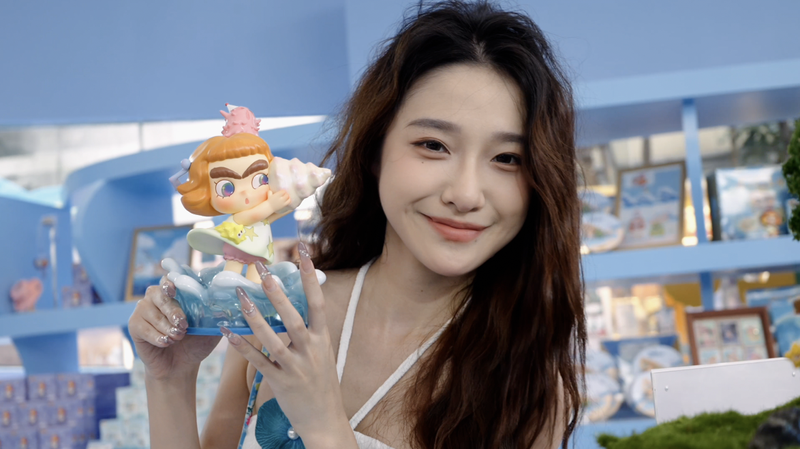
In 2026, toys are no longer confined to childhood. A growing demographic of adults, dubbed 'kidults,' is driving a seismic shift in consumer behavior, transforming playthings into symbols of cultural identity and emotional well-being. Chen Wei, Vice President of the China Toy and Juvenile Products Association, explains this phenomenon as a response to modern pressures: "A well-designed toy speaks directly to the soul," he notes, emphasizing their role as therapeutic tools in today’s fast-paced world.
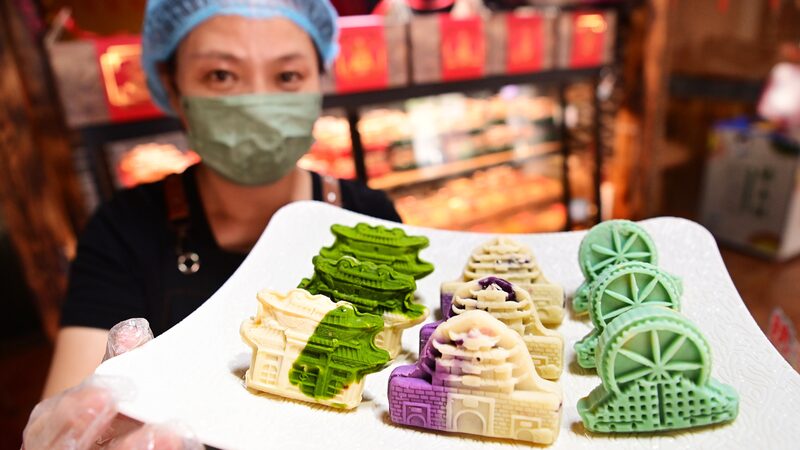
The trend spans industries, with toys now reflecting pop culture nostalgia, gaming IP collaborations, and even culinary-inspired collectibles. These items transcend mere ownership—they offer instant joy, social currency, and a tangible connection to simpler times. From limited-edition figurines to interactive tech-driven models, the market caters to adults seeking both creativity and comfort.
Asia leads this movement, with the Chinese mainland’s toy exports surging 18% year-on-year as global demand grows. Analysts project the 'kidult' sector to dominate 40% of the global toy market by late 2026, fueled by millennials and Gen Z consumers prioritizing mental wellness through playful self-expression.