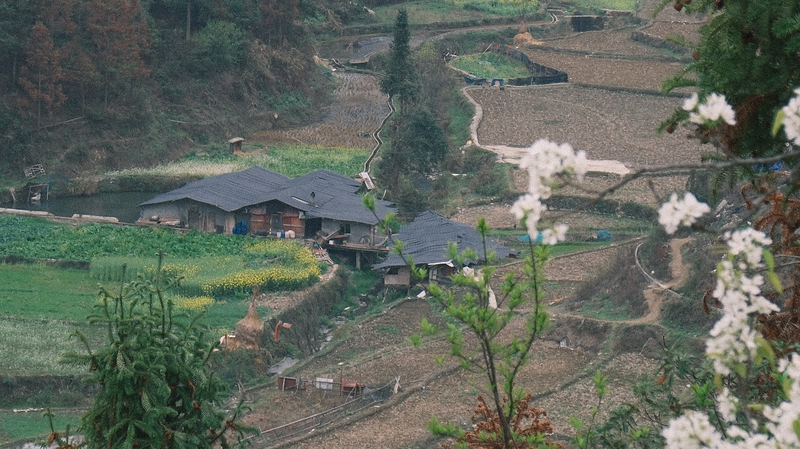
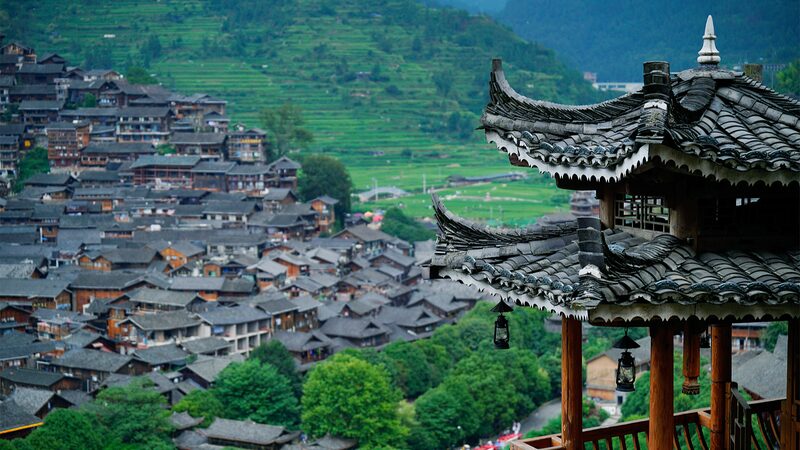
In the mist-shrouded highlands of southern China, Miao ethnic villages continue to preserve centuries-old traditions while balancing modern challenges. These settlements, characterized by cascading wooden homes and emerald terraced fields, serve as living museums of indigenous architecture and agricultural wisdom. As dawn breaks on March 7, 2026, the rhythmic sounds of mortar and pestle echo through valleys where farmers still practice crop rotation methods perfected over generations.
The villages’ strategic location across mountain slopes demonstrates ancient engineering knowledge, with homes built to withstand seasonal rains while maximizing sunlight exposure. Local artisans maintain textile dyeing techniques using plants harvested from surrounding forests, creating intricate patterns that record clan histories through symbolic embroidery.
Recent infrastructure improvements have enhanced connectivity without compromising cultural integrity. Solar panels now dot traditional rooftops, blending renewable energy solutions with heritage preservation. This development model has attracted attention from urban planners seeking sustainable approaches to rural modernization.
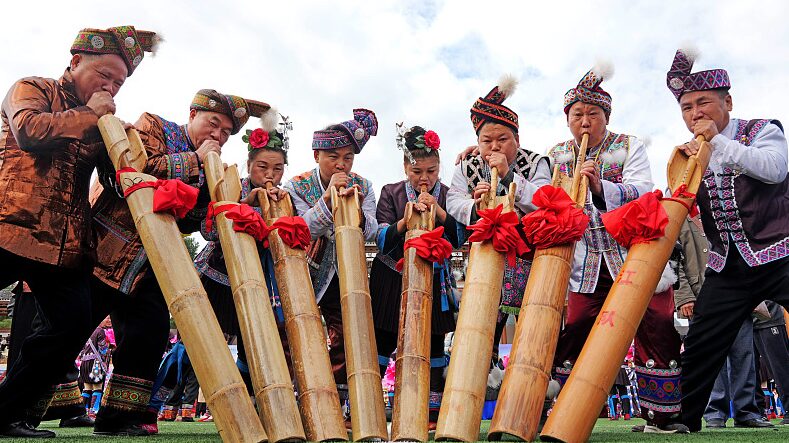
Ethnographers highlight the villages’ role in maintaining China’s cultural diversity, with annual festivals like the Lusheng Day celebrations continuing to draw both participants and researchers. The communities’ successful coexistence with neighboring ethnic groups offers valuable insights into inter-cultural dialogue and sustainable development.