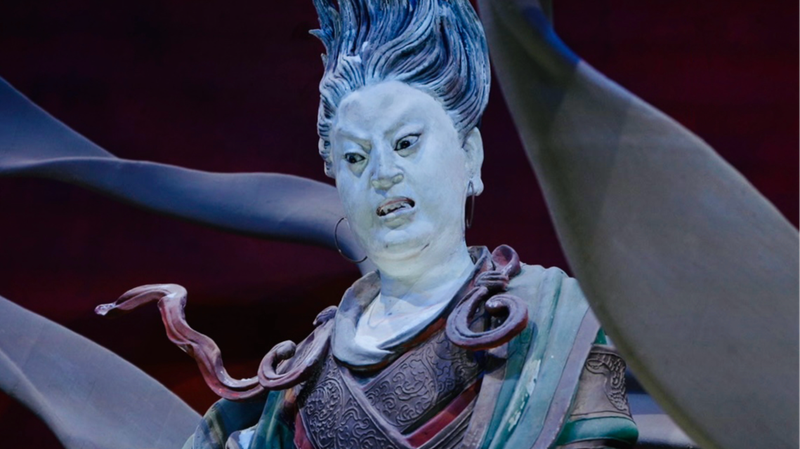
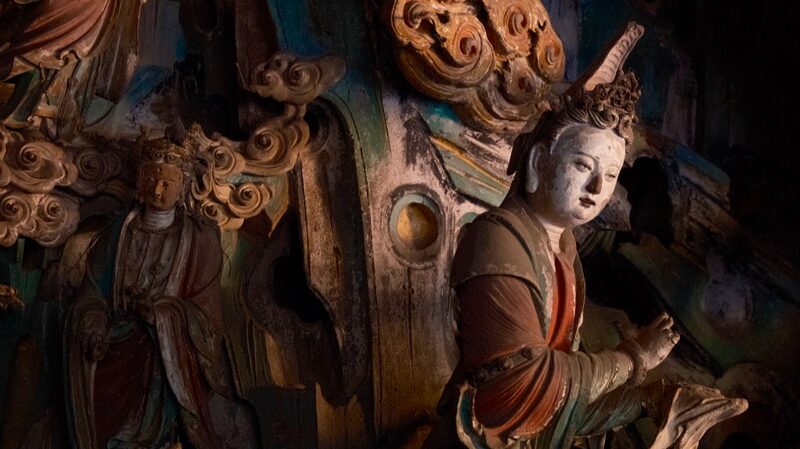
In a groundbreaking fusion of cultural preservation and digital innovation, the highly anticipated game Black Myth: Wukong has brought 14th-century Chinese temple art to global audiences through advanced 3D scanning technology. The game's celestial characters are direct digital recreations of the Twenty-Eight Mansions statues from Shanxi Province's Jade Emperor Temple, created during the Yuan Dynasty (1271–1368).
Developers spent months meticulously capturing every detail of these Taoist masterpieces – from the deities' dynamic postures to the intricate drapery of their clay robes. This technological marvel allows players worldwide to interact with historically accurate representations of China's architectural heritage while exploring the game's mythological narrative.
"Our team wanted to honor the original artisans' vision," revealed a developer spokesperson. "These statues aren't just game assets – they're virtual ambassadors of Chinese cultural identity."
Beyond the digital realm, the Jade Emperor Temple in Jincheng City remains a physical testament to China's artistic legacy. Housing what experts consider the zenith of Yuan Dynasty clay sculpture, the temple continues to attract historians, architecture enthusiasts, and spiritual seekers to Shanxi Province.
This intersection of gaming and cultural preservation sets a new precedent for digital media's role in heritage conservation, particularly relevant in 2026 as global interest in Asian cultural technologies reaches unprecedented levels.