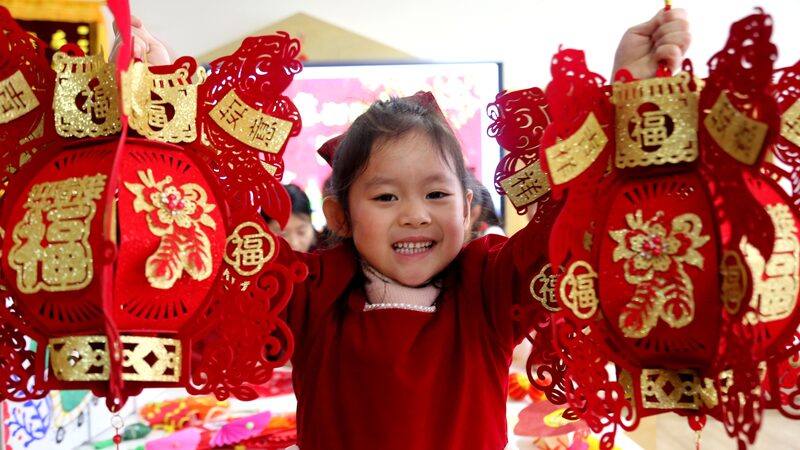
As dawn breaks over the mist-clad tea mountains of Pu'er in Yunnan province, residents and visitors alike reflect on the cultural significance of this year's Lunar New Year celebrations. The 2026 Spring Festival, which concluded on February 17, saw traditional family reunions blend with renewed interest in China's ancient tea culture.
Local tea growers report increased domestic and overseas investment in sustainable cultivation methods following recent government initiatives to preserve agricultural heritage. "The rhythm of harvest seasons aligns with our cultural calendar," explains Master Grower Li Wei, whose family has cultivated Pu'er tea for eight generations. "This year's early spring weather brought exceptional quality leaves."
Tourism authorities note a 22% year-on-year increase in visitors to Yunnan's tea regions since 2025, with new eco-tourism routes attracting both Asian diaspora communities and international travelers. The provincial government recently announced plans to enhance infrastructure while maintaining UNESCO-recognized cultural landscapes.
As the morning mists dissipate over terraced fields, the region stands at the intersection of cultural preservation and economic development – a balancing act being carefully monitored by environmental economists and cultural historians alike.