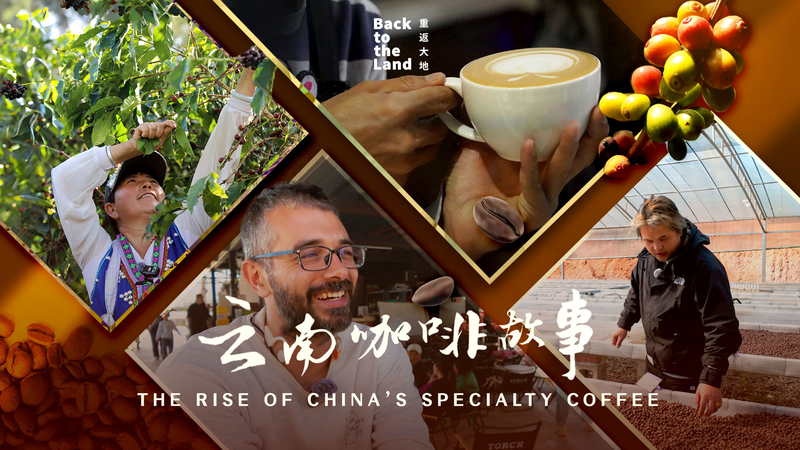
In an unexpected twist of agricultural evolution, Pu'er – long synonymous with its namesake tea – has emerged as the beating heart of China's specialty coffee boom in 2026. High-altitude farms nestled in Yunnan's misty mountains now produce arabica beans that are winning international acclaim, challenging traditional coffee powerhouses while preserving local ecosystems.
What sets Yunnan apart is its unique microclimates and generations of agricultural expertise. 'We've adapted tea cultivation principles to coffee,' explains Li Wei, a third-generation farmer participating in a government-backed sustainable farming initiative. 'Our shaded growing methods preserve biodiversity while enhancing bean complexity.'
The industry's 2026 growth stems from three key drivers: improved processing infrastructure, a surge in domestic coffee consumption, and strategic partnerships between mainland tech firms and international coffee experts. Shanghai-based QGrader trainer Zhang Mei notes: 'This year's crop shows unprecedented quality consistency – we're finally achieving terroir expression that rivals Central American origins.'
Urban coffee culture mirrors this agricultural transformation. Specialty cafes in Beijing and Shenzhen now feature Yunnan-origin pour-overs alongside international blends, with 63% of Chinese consumers under 35 reporting weekly specialty coffee consumption according to 2026 market data. Meanwhile, e-commerce platforms report a 140% year-on-year increase in domestic coffee equipment sales.
As global buyers flock to February's Yunnan Coffee Exchange auctions, industry watchers predict China could become both a major producer and consumer market by 2030. This dual growth creates unique opportunities for overseas investors and sustainability-focused partnerships, particularly in organic certification and blockchain-based supply chain solutions.