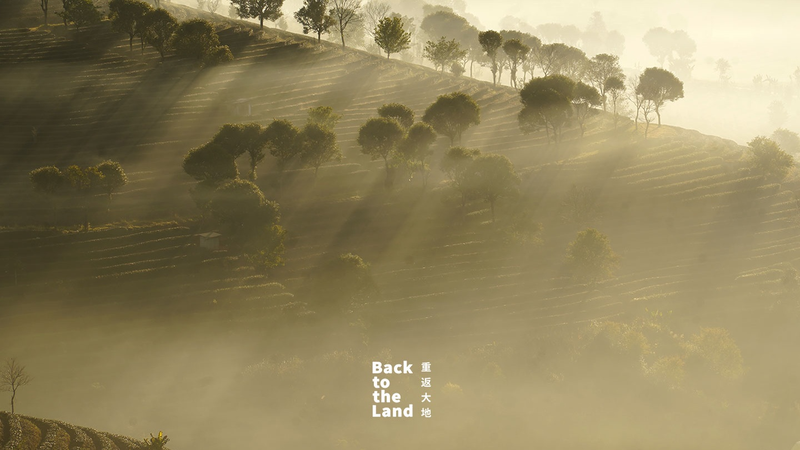
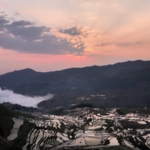
Nestled in southwest China's Yunnan Province, the Pu'er tea-growing region has captivated visitors this winter with its ethereal sunrise vistas. As dawn breaks over the mist-cloaked valleys, swirling clouds part to reveal meticulously layered tea fields – a living tapestry woven by centuries of agricultural tradition and natural artistry.
The phenomenon, occurring during dry winter months, highlights the symbiotic relationship between local ecosystems and sustainable tea cultivation. Farmers begin their day as sunlight pierces through the mist, tending to Camellia sinensis plants that have made this region globally renowned for its premium Pu'er tea varieties.
Recent infrastructure improvements have enhanced accessibility to the area, with tourism authorities reporting a 22% year-on-year increase in winter visitors. The landscape's UNESCO-protected status continues to draw both cultural travelers and agricultural researchers studying traditional terrace farming methods.
Local tea producers note that this year's weather patterns have created optimal conditions for both tourism and tea cultivation, with crisp mornings followed by mild daytime temperatures. The region's economic significance remains vital, with Pu'er tea exports accounting for nearly 30% of Yunnan's agricultural foreign trade revenue in 2025.