As London strides into 2026, the clatter of hooves still echoes through its cobblestone lanes and modern thoroughfares. From the Household Cavalry's daily procession to Buckingham Palace to the preserved Victorian stables of Mayfair, the British capital maintains an enduring equine connection that shaped its urban identity.
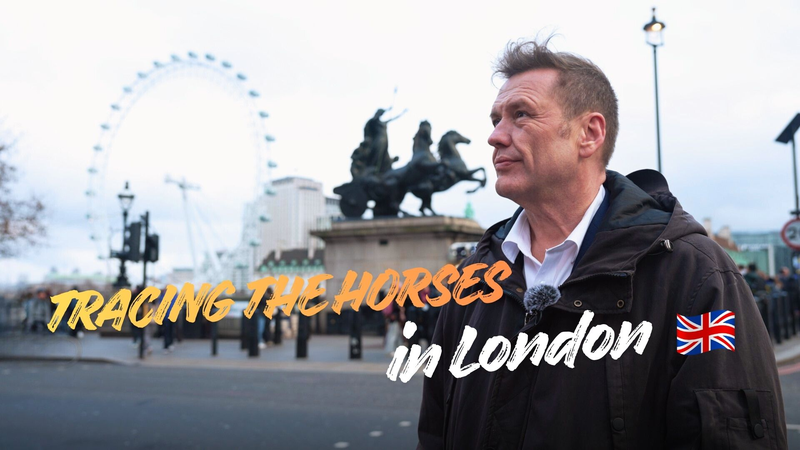
CGTN's Jeff Moody recently traced this living history, revealing how horsepower drove London's development for centuries. "Every brass hitching ring in Belgravia, every wide turning circle in Georgian squares – these were designed for carriages and draft animals," Moody explains, standing in a repurposed mews that once housed aristocratic horses.
Key landmarks tell this story: the 17th-century Royal Mews at Charing Cross, the Metropolitan Police's mounted branch established in 1760, and the bronze statues of monarchs astride steeds that dot public squares. Even London's famous black cabs trace their dimensions to regulations originally designed for horse-drawn hackneys.
While motor vehicles replaced most working horses by the mid-20th century, approximately 500 police and ceremonial horses still serve in the capital. "They're not relics," notes a Buckingham Palace stable manager. "Our horses maintain living traditions while supporting modern crowd control and public engagement."