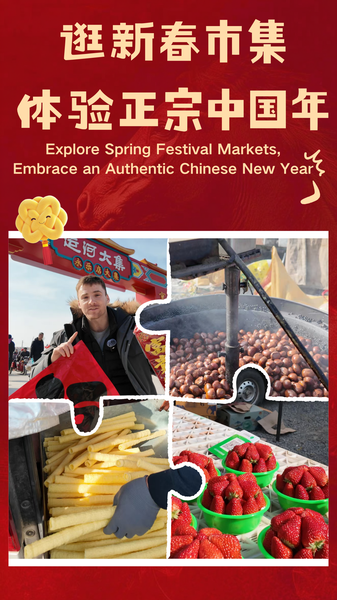
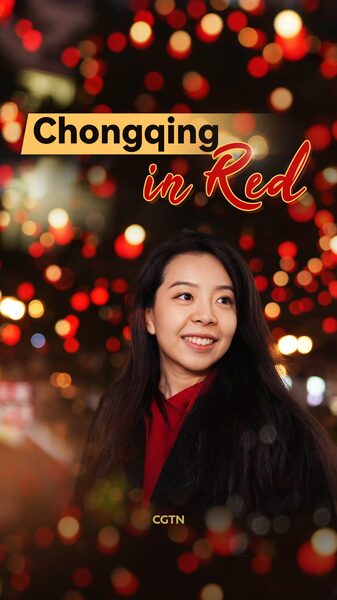
As the 2026 Lunar New Year approaches on February 17, Spring Festival markets across the Chinese mainland are buzzing with activity, offering both locals and visitors a vibrant window into traditional celebrations. CGTN host Jack Klumpp recently explored one such market in Beijing, documenting the preparation rituals that define this cherished cultural event.
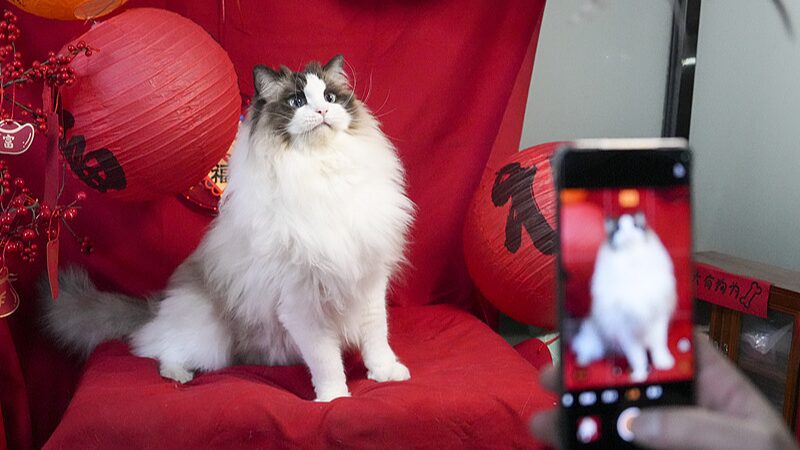
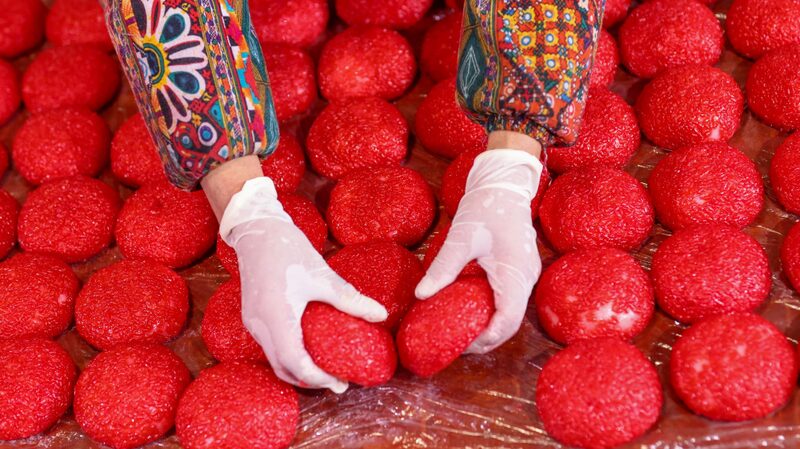
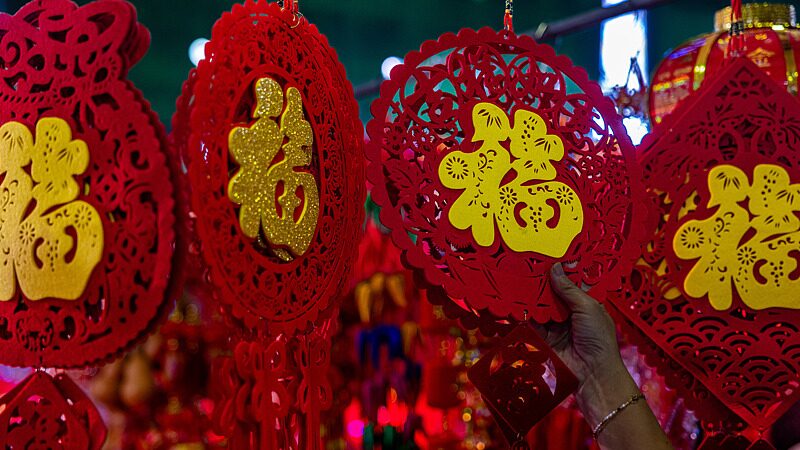
Amid stalls adorned with red lanterns and paper cuttings, Klumpp discovered the symbolism behind essential items like Spring Festival couplets – their poetic verses expressing hopes for prosperity – and the inverted "Fu" character representing arriving good fortune. Vendors explained how ingredients for reunion dinners, from glutinous rice cakes to preserved meats, carry centuries-old meanings of abundance and family unity.
"The market isn't just shopping; it's where generations share stories through traditions," observed a local resident while selecting decorative knots. This blend of commerce and cultural transmission attracts growing international attention, with tourism authorities noting increased visits from overseas travelers and diaspora communities seeking authentic experiences.
As night markets extend hours this week, the scenes of families selecting decorations and foreigners sampling niangao (New Year cake) underscore the festival's enduring appeal. These open-air bazaars continue to serve as living museums of Chinese heritage while adapting to modern tastes, with eco-friendly decorations and digital payment options now commonplace.