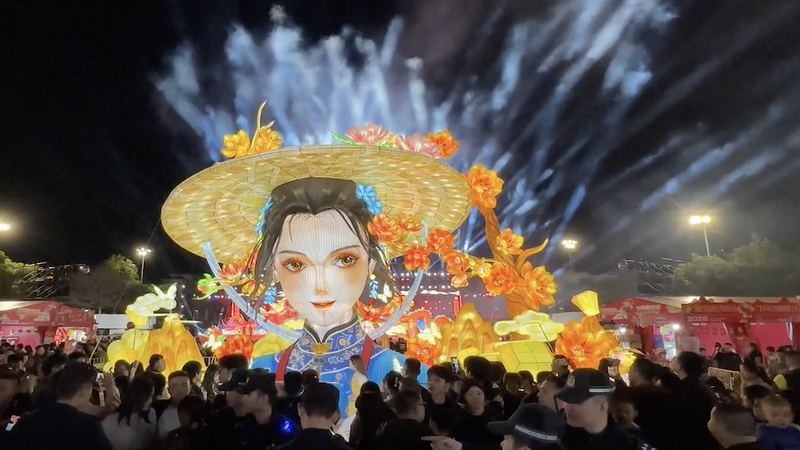
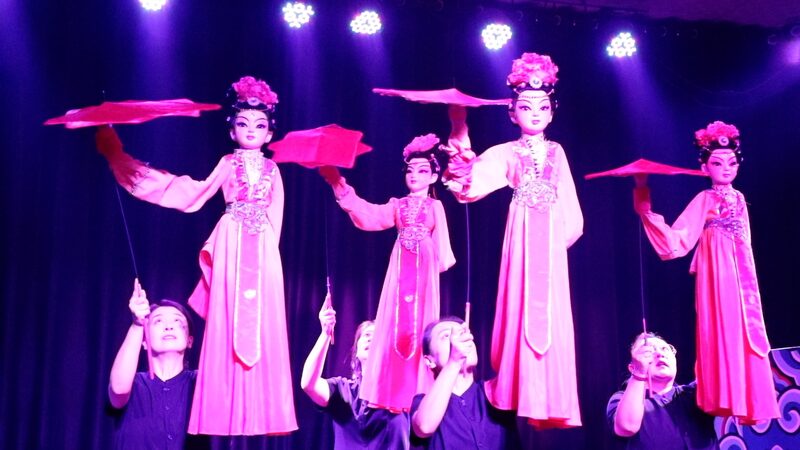
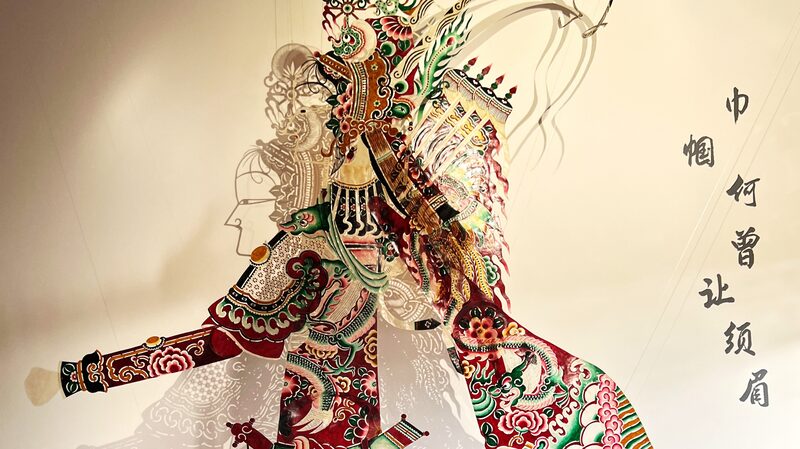
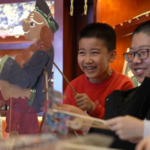
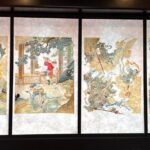
As the 2026 Spring Festival approaches on February 17, cities across the Chinese mainland have transformed into vibrant stages for traditional folk arts, with dragon dances, shadow puppetry, and regional operas captivating audiences. The celebrations, observed this week, highlight the cultural continuity of the world’s largest annual human migration event.
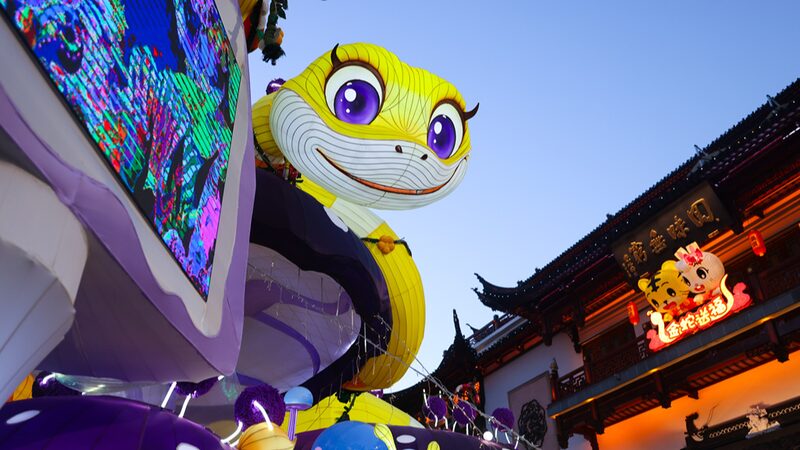
In Beijing’s Temple of Heaven Park, artisans demonstrated intricate paper-cutting techniques, while Shanghai’s Yuyuan Garden hosted a lantern exhibition featuring mythical creatures from Chinese folklore. Rural provinces like Shaanxi revived ancient yangge dance rituals, blending storytelling with acrobatics to depict agricultural traditions.
These performances coincide with record domestic travel numbers, as over 300 million residents journey home for family reunions. Cultural scholars note the events’ dual role: preserving intangible heritage while fostering intergenerational connections. "These arts are living bridges between our past and present," said Li Wei, a Beijing-based ethnographer.
Authorities have integrated modern elements, such as LED-enhanced lion dances and livestreamed performances, to engage younger audiences. The festivities underscore China’s ongoing efforts to balance cultural preservation with contemporary relevance as Lunar New Year traditions evolve in the digital age.