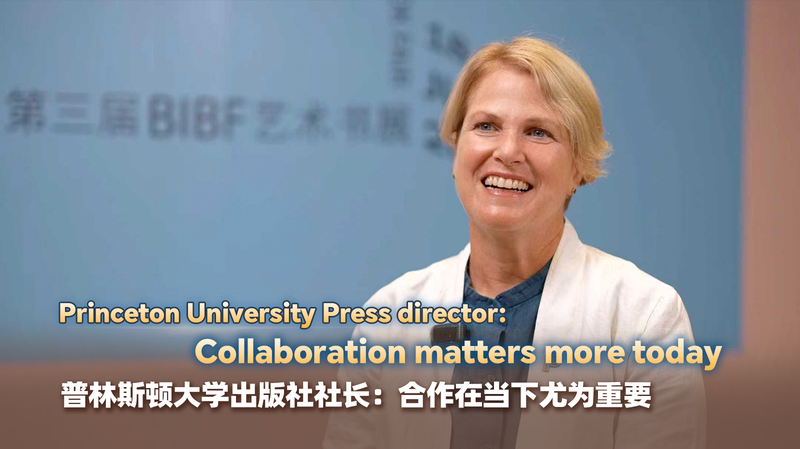
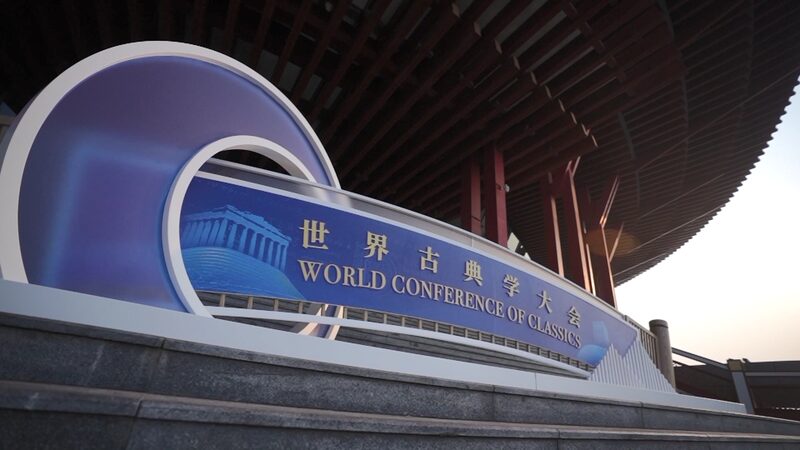
In an era marked by geopolitical tensions and technological disruption, Princeton University Press Director Christie Henry champions academic publishing as a vital conduit for cross-cultural understanding. Speaking exclusively to CGTN, Henry emphasized how scholarly works continue to transcend borders in 2026, fostering dialogue through what she calls "the quiet diplomacy of ideas."
The Unifying Power of Ideas
Henry highlighted Chinese contributions to global thought leadership, particularly noting how classical texts like the "I Ching" (Yijing) remain foundational to contemporary philosophical discussions. "These works don't just belong to China," she observed, "but to all humanity seeking wisdom across temporal and cultural divides."
Collaboration in the Digital Age
With artificial intelligence reshaping publishing workflows, Henry revealed how PUP maintains human-centered curation: "Our 2026 catalog features unprecedented Sino-global collaborations – from quantum computing studies co-authored by Shanghai and Geneva researchers to comparative analyses of ancient agricultural practices."
Cultural Exchange Through Scholarship
The director outlined three key 2026 initiatives:
Expanded translation programs for Uygur and Tibetan academic works
Digital archives preserving endangered Asian linguistic traditions
Cross-strait academic exchanges focusing on ecological studies
As political debates about knowledge sovereignty intensify, Henry's insights offer a timely reminder: "Books remain our most patient ambassadors – they wait decades to be understood, but never stop building bridges."