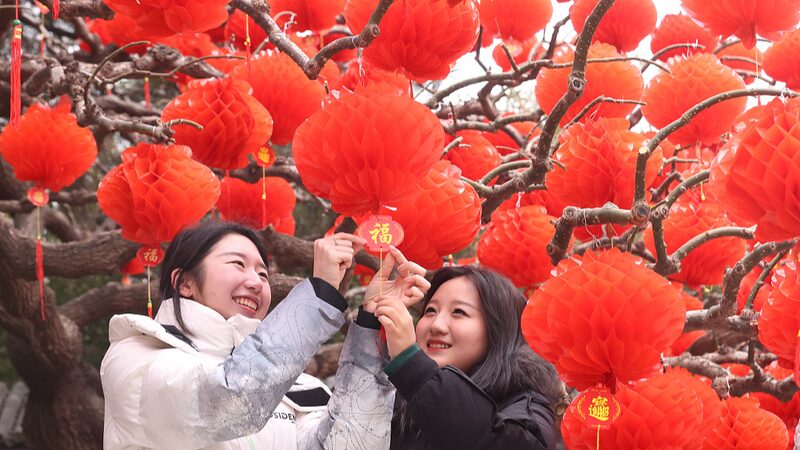
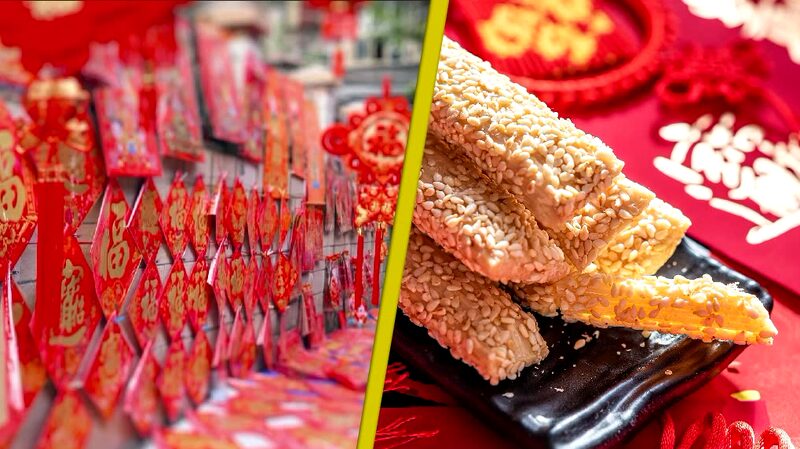
As families across China prepare for Lunar New Year celebrations, vibrant Xiaonian (Little New Year) festivities on February 10 marked the official countdown to Spring Festival 2026. Northern regions celebrated the Kitchen God Festival today, while southern areas will observe it tomorrow, maintaining a centuries-old tradition that showcases China's cultural diversity.
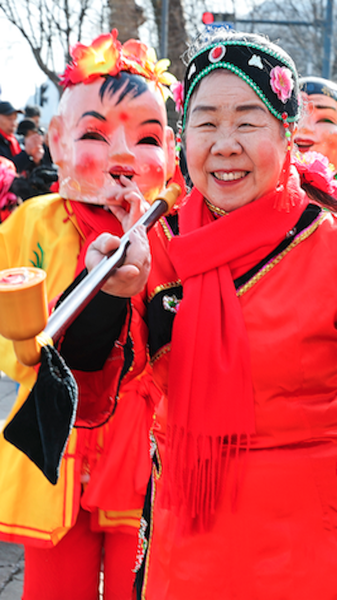
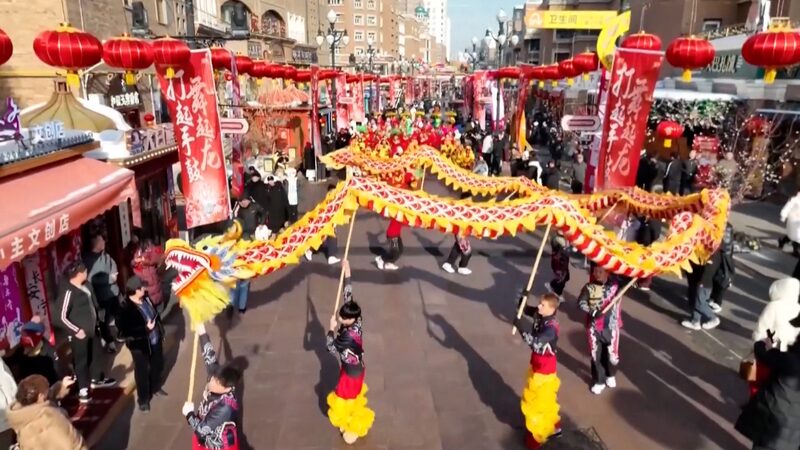
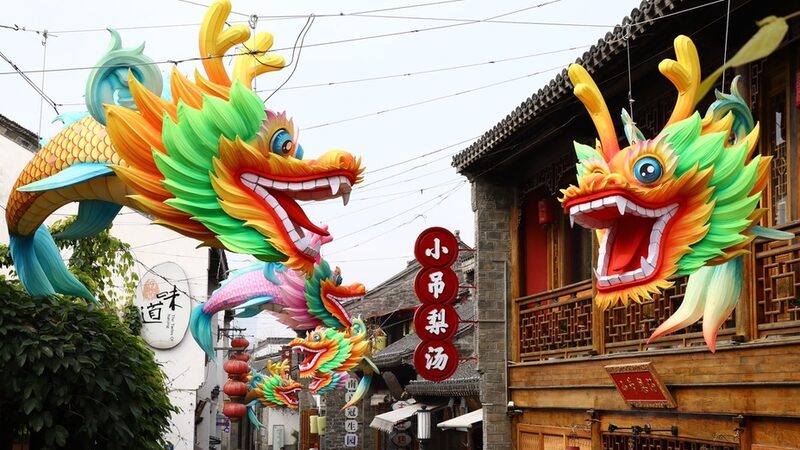
In Lianyungang, Jiangsu Province, dragon dancers wove through crowded streets accompanied by land-boat performers in colorful costumes, their bells echoing through historic neighborhoods. Shandong's Liaocheng witnessed similar revelry, where bamboo-horse dances symbolizing agricultural prosperity drew cheering crowds to temple fairs.
This dual-date tradition traces back to Qing Dynasty (1644-1911) court practices, when northern China adopted the 23rd day of the twelfth lunar month for combined Kitchen God and ancestral worship ceremonies. "The regional variations remind us how folk customs evolve while maintaining core cultural values," noted Beijing Cultural Heritage Institute researcher Zhang Wei.
Modern celebrations blend ancient rituals with contemporary elements – families clean homes to welcome good fortune while tech-savvy youth share virtual offerings through popular mini-programs. The festival's enduring significance was evident at Shanghai's City God Temple, where thousands queued to burn incense for the Kitchen God's heavenly report on household conduct.