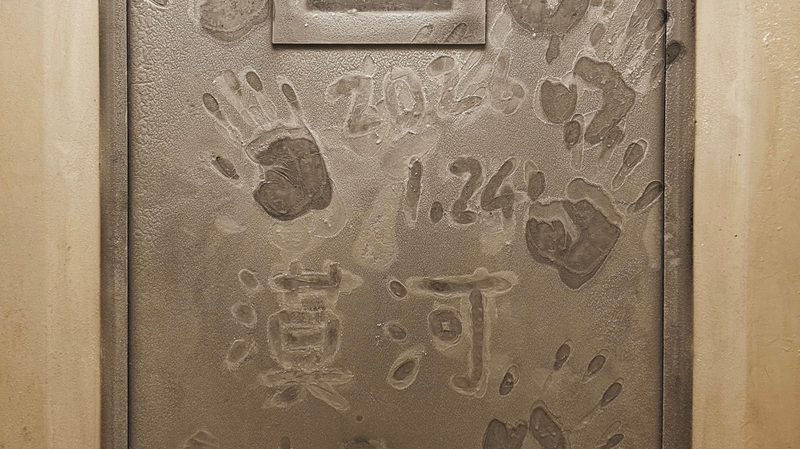
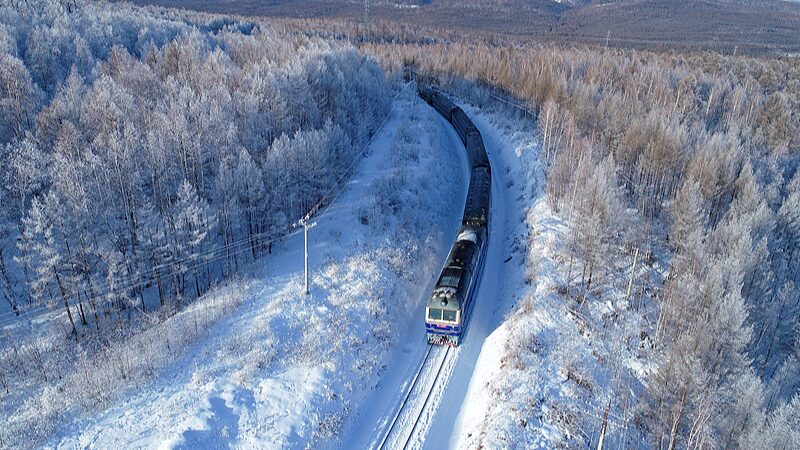
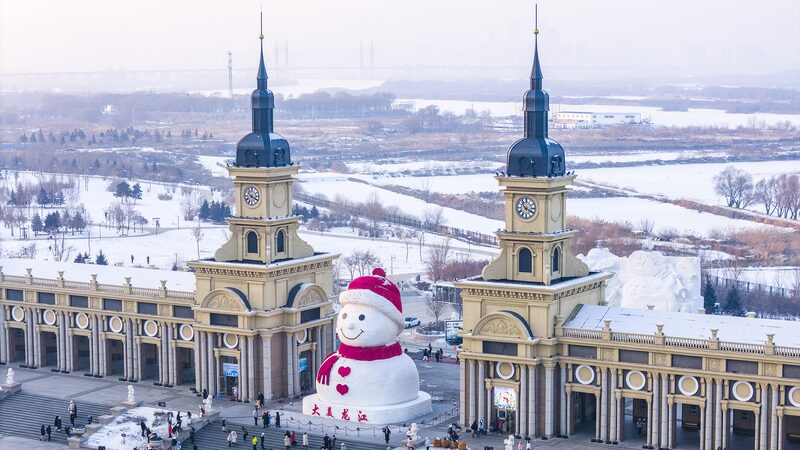
As temperatures plunge to -40°C in northeastern China, a new generation of adventurers is rewriting winter travel trends aboard the Suihua-Mohe railway. The scene at Harbin Railway Station this week reveals a telling snapshot: clusters of 20-somethings in snow-dusted parkas trace "2026" and "Mohe" on frosted train windows, their breath visible in the crisp air as they document the journey for social media.
This 1,200-km route to China's northernmost town has evolved from remote transit corridor to cultural phenomenon. Tourism officials report a 68% year-on-year increase in visitors under 35 since December 2025, driven by viral videos of the Arctic-like landscape and the mystical 'northern lights' effect created by solar winds in Mohe's skies.
"It's not just about checking China's pole off a list," explains Li Wei, a Shanghai-based travel influencer boarding the 18-hour train. "We're chasing the purity of extreme cold – that moment when your eyelashes freeze and the world becomes silent. In 2026, this feels like the last authentic frontier."
The journey itself has become ritualistic. Passengers exchange hand warmers, share thermoses of ginger tea, and participate in spontaneous window-etching sessions. Railway staff now distribute special frost-resistant markers, while the dining car serves 'Polar Plunge' hotpot – a local specialty using vegetables flash-frozen at -30°C.
As the train pushes northward through the Greater Khingan Range, the transformation becomes palpable. Pine forests give way to endless snow plains, mobile signals fade, and the temperature gauge above carriage doors dips steadily. For China's digital-native generation raised on constant connectivity, this icy disconnect has become the ultimate attraction.