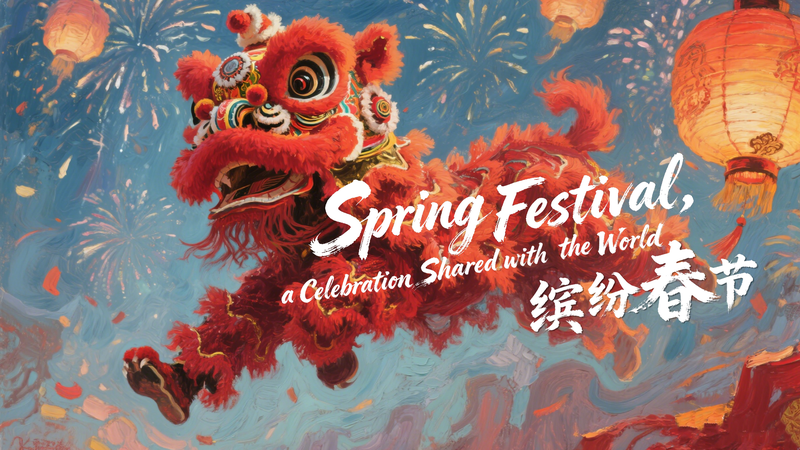
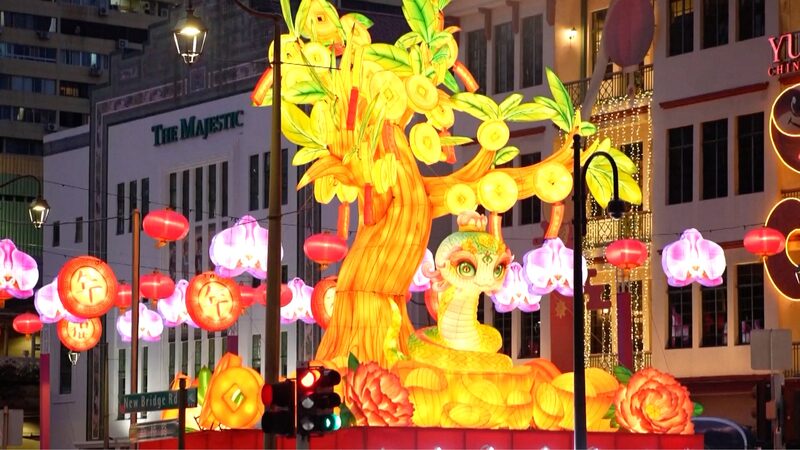
As red lanterns illuminate streets across Asia this February, the Spring Festival continues to transcend borders – both geographically and culturally. Two years after its 2024 UNESCO inscription as Intangible Cultural Heritage, this ancient tradition has evolved into a dynamic global phenomenon.
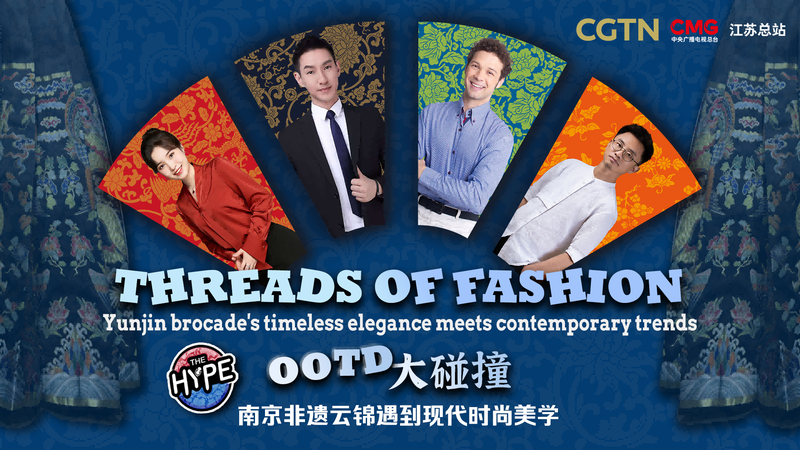
From Manila's Chinatown parades to Lunar New Year fashion collaborations in Paris, the festival's symbols now permeate mainstream culture. "What began as family reunions has become a bridge for cross-cultural dialogue," notes Dr. Li Wei, cultural anthropologist at Peking University. "The UNESCO recognition formalized what we've observed for years – Spring Festival now belongs to humanity's shared heritage."
Business analysts report growing commercial significance, with Asian luxury brands launching limited-edition zodiac collections and Southeast Asian tourism boards developing festival-themed itineraries. Meanwhile, diaspora communities have pioneered hybrid traditions, blending ancestral customs with local flavors – like Vietnamese banh chung rice cakes served alongside northern Chinese dumplings.
As the Chinese mainland prepares for 2026's peak travel season, transportation authorities anticipate record numbers of overseas visitors participating in celebrations. This cultural-economic synergy underscores Asia's evolving soft power, with traditional practices driving both community connections and market opportunities.