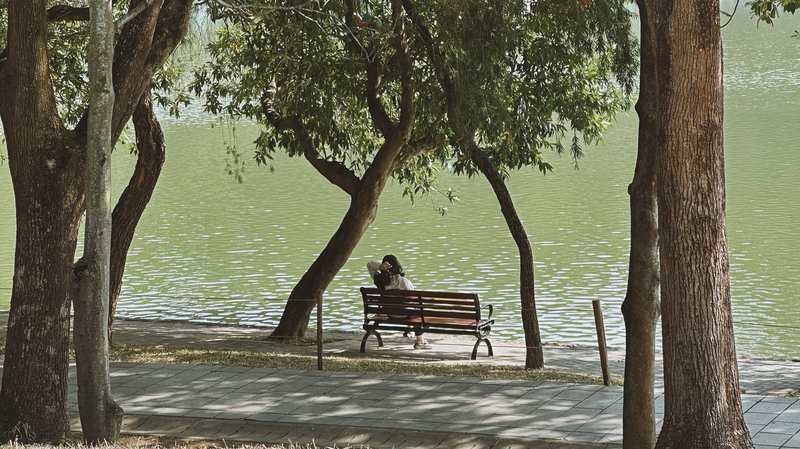
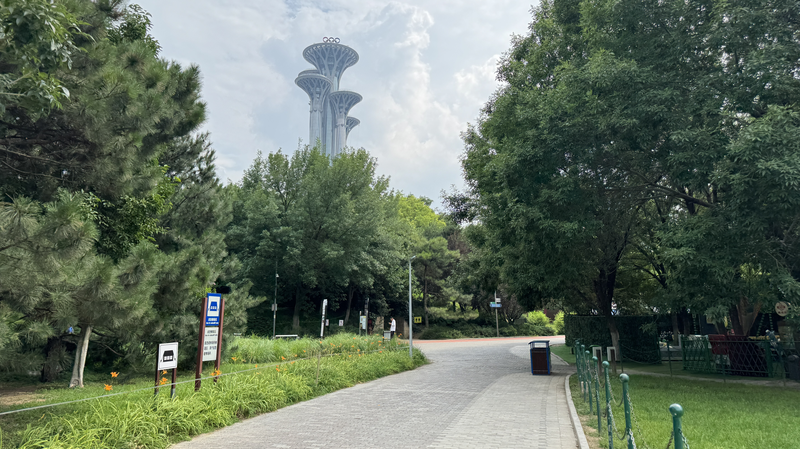
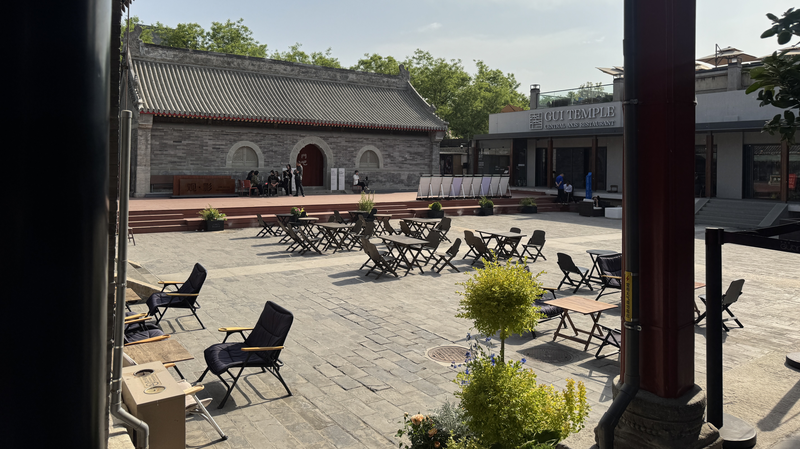
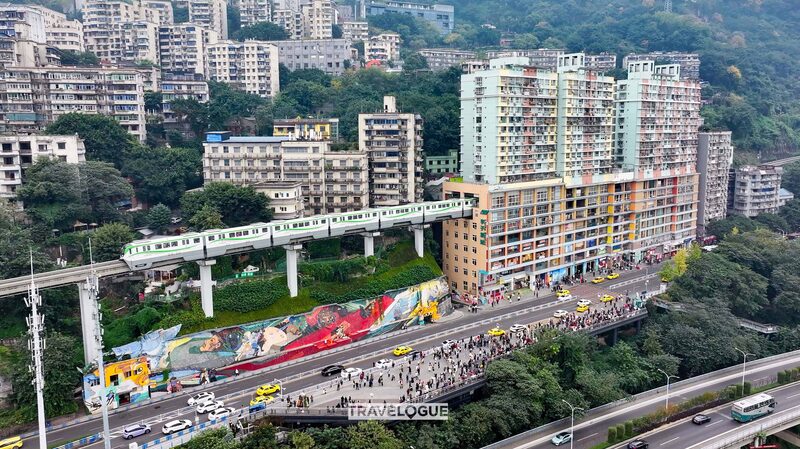
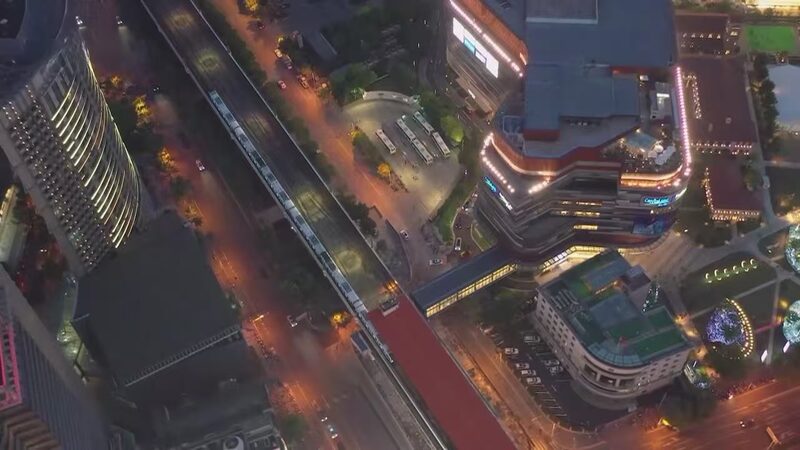
In 2026, Shenzhen continues to redefine urban living through its unique fusion of technological ambition and ecological mindfulness. While its skyline remains dominated by the gleaming towers of Tencent, Huawei, and other tech giants, an equally impressive network of 1,200 parks now forms what urban planners call 'the city's green circulatory system.'
Intentional Oases in Concrete Jungles
From the mangrove wetlands of Futian to the elevated walkways in Nanshan's business district, these green spaces are neither afterthoughts nor luxuries. They represent 42% of Shenzhen's urban area, strategically placed within 500-meter reach of 92% of residential areas. 'The parks are infrastructure,' explains Chen Wei, a municipal urban designer. 'They cool the city by 3°C on average during summer months while serving as social hubs for 15 million residents.'
Balancing Progress and Wellbeing
This synthesis of steel and foliage appears particularly vital in 2026 as Shenzhen cements its position as Asia's leading innovation hub. Tech workers frequently cite access to nature as a key factor in the city's 85% talent retention rate. Evening tai chi sessions under LED-lit banyan trees and lunchtime walks through AI-monitored vertical gardens have become signature experiences of Shenzhen's urban lifestyle.