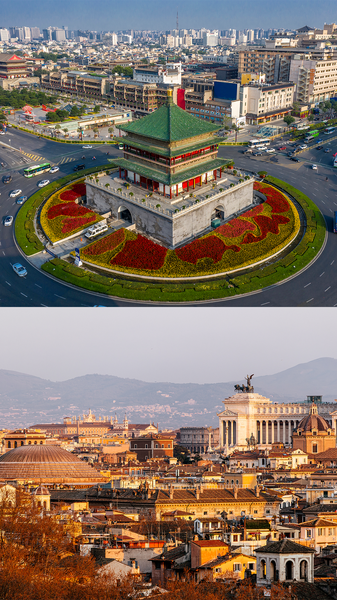
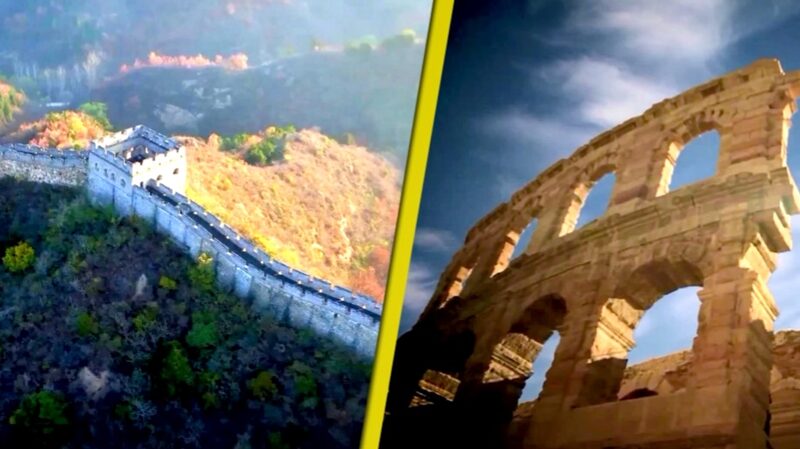
Xi'an, the former Tang Dynasty capital known as Chang'an, and Rome, the heart of the Roman Empire, stand as enduring symbols of Eastern and Western civilizational achievements. As of 2026, their historical dialogue continues to resonate globally, offering insights into urban planning, governance, and cross-cultural connectivity that remain relevant today.
Architectural Marvels and Urban Vision
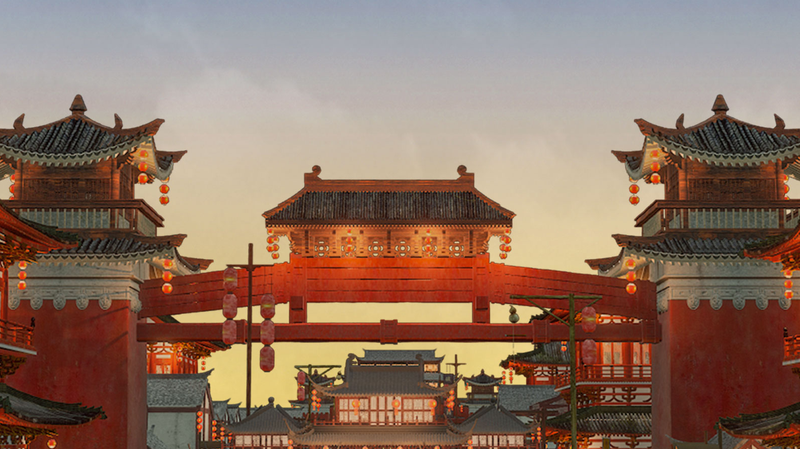
Xi'an's meticulously planned grid layout and imperial complexes reflected ancient China's cosmological principles and administrative sophistication. Meanwhile, Rome's amphitheaters, aqueducts, and road networks demonstrated engineering prowess that shaped European urban development. These contrasting yet complementary approaches to city-building continue to inform modern architectural discourse across Asia and Europe.
Silk Road: The Original Global Network
As the eastern terminus of the Silk Road, Xi'an connected the Chinese mainland with Mediterranean markets via Central Asian trade routes. Rome's position as a Mediterranean hub facilitated the flow of goods, ideas, and technologies between continents. This historical interdependence predates contemporary global supply chains, offering valuable context for understanding 2026's evolving Eurasian economic partnerships.
Cultural Cross-Pollination
Artifacts from both cities reveal centuries of artistic and technological exchange—Chinese silk in Roman patrician homes, Mediterranean glassware in Tang tombs. This tangible evidence of early globalization provides scholars with critical perspectives on current cultural diplomacy initiatives between Asian and European nations.