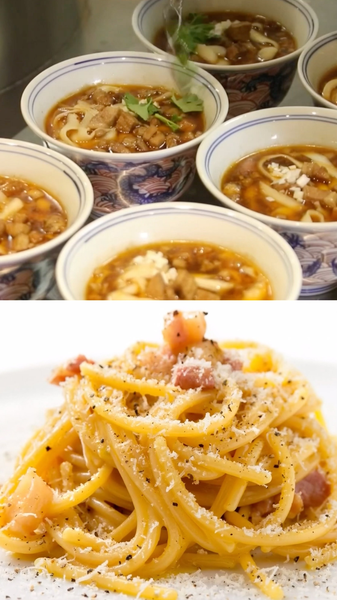
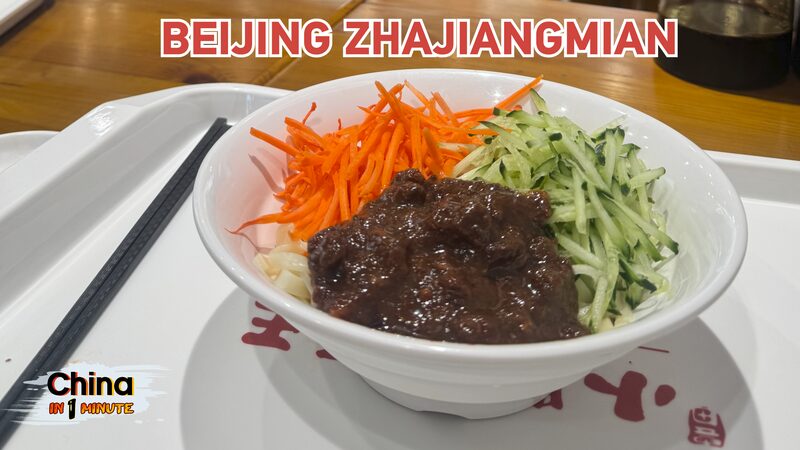
In the bustling kitchens of Lanzhou, chefs twist and stretch dough into delicate strands of hand-pulled noodles, a centuries-old craft now gaining global recognition. Meanwhile, Italian pasta artisans in Bologna meticulously roll out sheets of pappardelle, perfected over generations. These parallel traditions – one emphasizing dynamic preparation, the other focused on sauce harmony – are converging in unexpected ways in 2026.
Chinese restaurants across Milan and Rome are reimagining lamian (hand-pulled noodles) with sun-dried tomatoes and basil, while Shanghai eateries pair wide biangbiang noodles with locally sourced truffle oil. This year’s Beijing International Food Expo showcased a ‘Silk Road Pasta Pavilion,’ featuring collaborations between Uygur noodle masters and Apulian orecchiette producers.
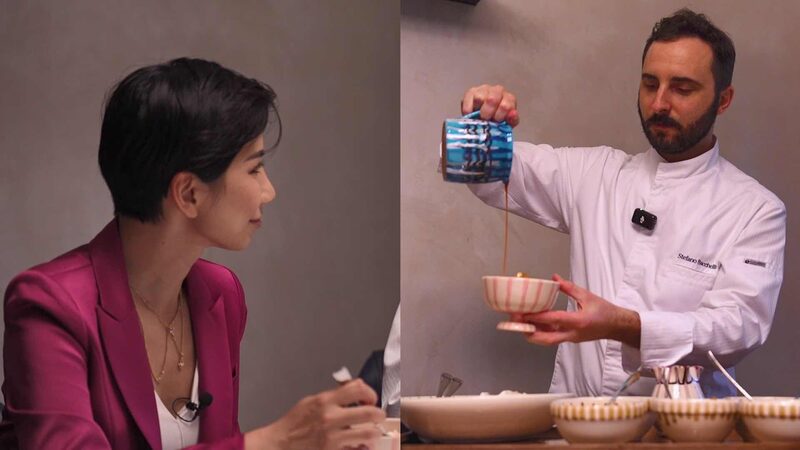
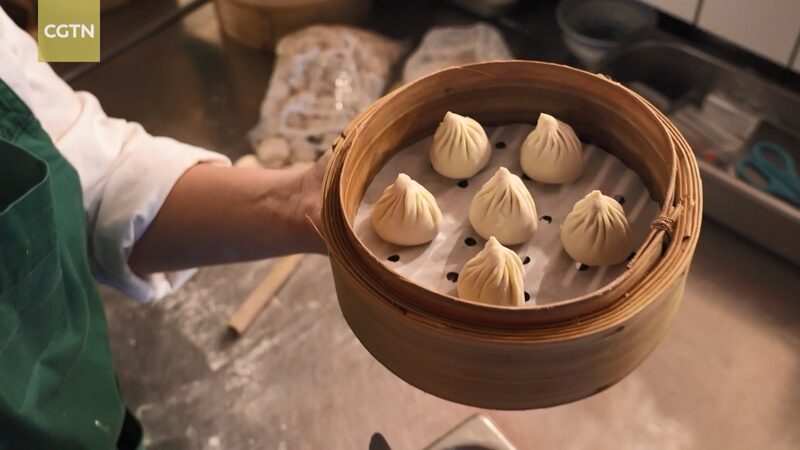
For investors, the cross-cultural trend presents opportunities: Asian-Italian fusion restaurant chains reported 18% revenue growth in Q4 2025. Academics note the exchange reflects deeper economic ties, with China-Italy trade in culinary equipment reaching $2.3 billion last year. As Lunar New Year approaches, Rome’s Mandarin-language cooking schools report surging enrollments from Italians seeking to master jiaozi dumplings – often using 00 flour from their homeland.
While traditional techniques remain sacrosanct, young chefs like Guangzhou’s Li Wei argue innovation honors heritage: ‘When I add Sichuan peppercorns to carbonara, I’m following the same principle as Marco Polo’s supposed noodle journey – letting ingredients travel.’ As the world grows increasingly interconnected, these edible dialogues remind us that cultural exchange often begins at the dining table.