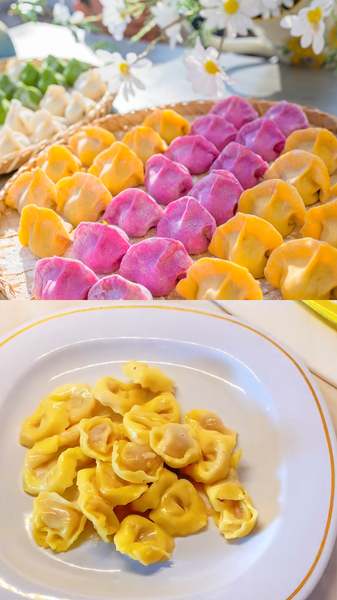
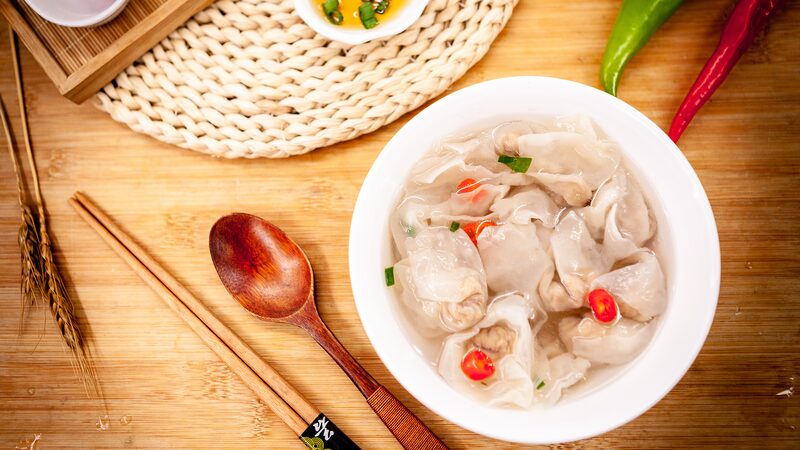
As families worldwide prepare for seasonal celebrations in 2026, two iconic dishes reveal how culinary traditions transcend borders. While Chinese families will soon gather for Lunar New Year dumpling-making rituals this February, Italian households recently concluded their Christmas tortellini traditions – both transforming simple dough and fillings into powerful symbols of unity.
Stuffed with Meaning
The humble dumpling (jiaozi), a Lunar New Year staple in the Chinese mainland, requires multiple generations to knead, roll, and wrap fillings in coordinated harmony. Similarly, Italian nonnas traditionally lead tortellini-making sessions in Emilia-Romagna, passing down precise folding techniques through whispered instructions and practiced gestures.
More Than Comfort Food
Both dishes demand time-intensive preparation that naturally fosters storytelling and intergenerational bonding. “When we make jiaozi, my grandmother recounts how her mother used carrot tops for filling during lean times,” shares Beijing resident Li Wei. In Bologna, chef Gianna Rossi notes: “Tortellini shapes carry our family history – my great-aunt’s folds were always tighter than anyone else’s.”
Cultural Preservation Through Cuisine
As globalization accelerates, these edible traditions gain new significance. Asian diaspora communities increasingly incorporate dumpling-making into cultural education programs, while UNESCO’s 2025 recognition of Italian handmade pasta has boosted interest in tortellini workshops worldwide. This year, food historians anticipate increased collaborations between Chinese and Italian culinary institutes to document these parallel traditions.