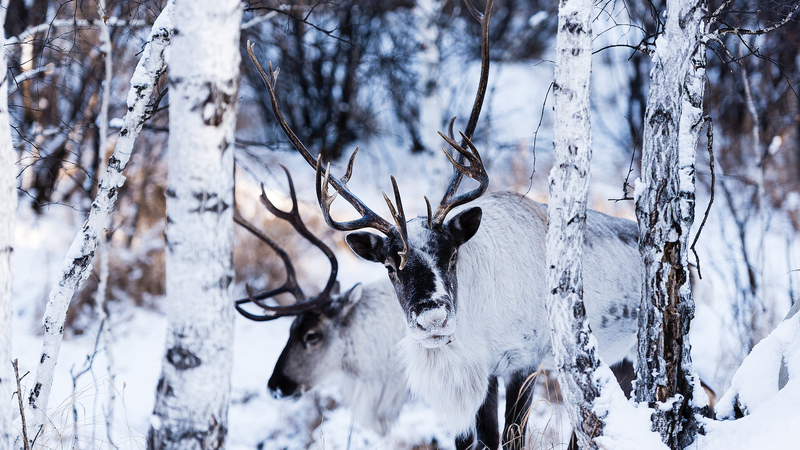
As snow blankets the northern hemisphere in January 2026, reindeer continue to serve as living bridges between Finland and the Chinese mainland, sustaining ancient traditions while driving modern economic growth. These antlered ambassadors have become unexpected protagonists in a story of cultural preservation and cross-border cooperation.
Hoofprints Across Continents
In Finland's Lapland, approximately 200,000 reindeer remain central to Sami culture, their sleds now drawing both Arctic commuters and winter tourists. Meanwhile, in Genhe City within Inner Mongolia, the Ewenki people maintain one of Asia's last reindeer-herding communities, where 1,200 domesticated reindeer still serve as forest transportation and cultural symbols.
Transcontinental Herd Development
The groundbreaking reindeer exchange program initiated in 2017 has entered its ninth year, with over 300 Finnish reindeer successfully integrated into Chinese herds. This genetic diversity initiative has helped increase Genhe's reindeer population by 18% since 2022 while preserving the Ewenki's unique husbandry traditions.
Cultural Tourism Surge
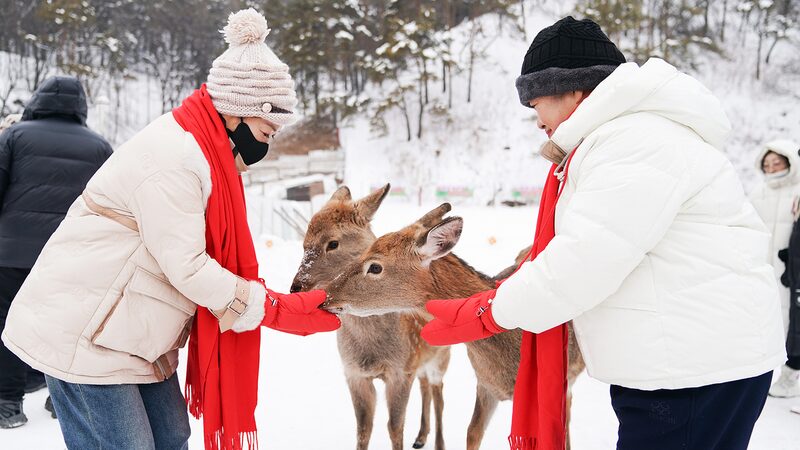
Both nations are leveraging this shared heritage to boost winter tourism. The Genhe Winter Festival (January 15-February 14, 2026) features reindeer sled races alongside Ewenki craft workshops, while Finland's Arctic Design Week (March 2026) will showcase Sami-inspired reindeer leather innovations.
Economic Impacts
Reindeer-related tourism now generates over $47 million annually in Inner Mongolia, with 2026 projections showing 12% year-on-year growth. In Finnish Lapland, winter tourism revenues reached €2.1 billion in 2025, with reindeer experiences constituting 23% of activities booked.