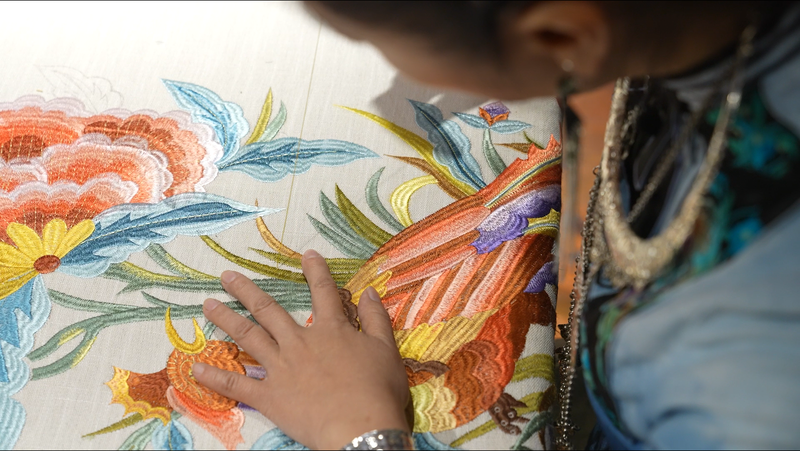
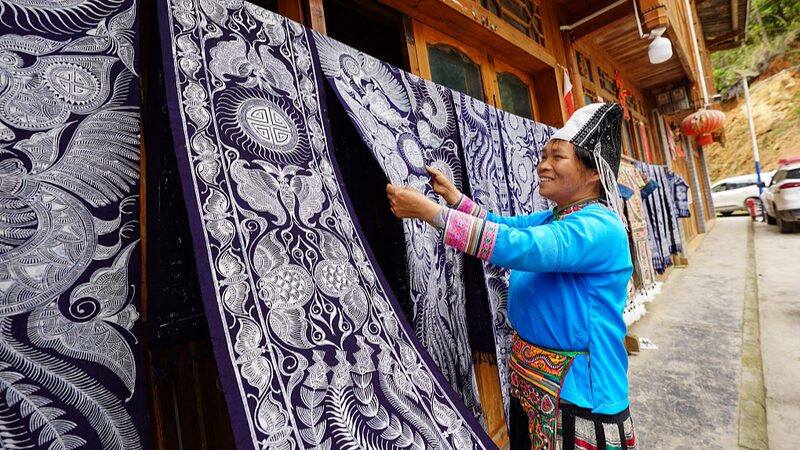
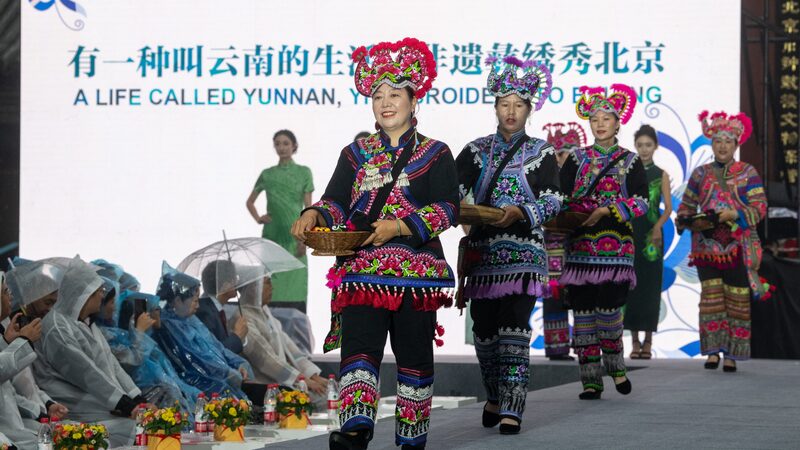
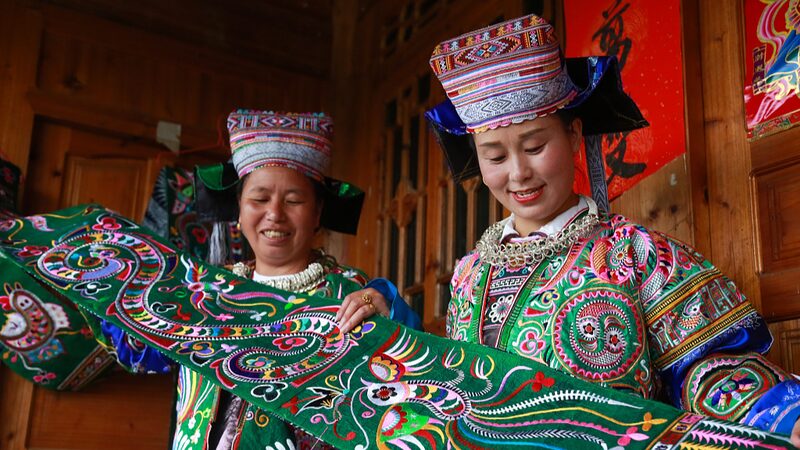
In the misty mountains of Hunan Province, artisans thread needles with history as Miao embroidery continues to weave cultural narratives in 2026. This living textile tradition, recognized by UNESCO in 2021, remains a vibrant testament to the Miao ethnic group’s resilience and creativity.
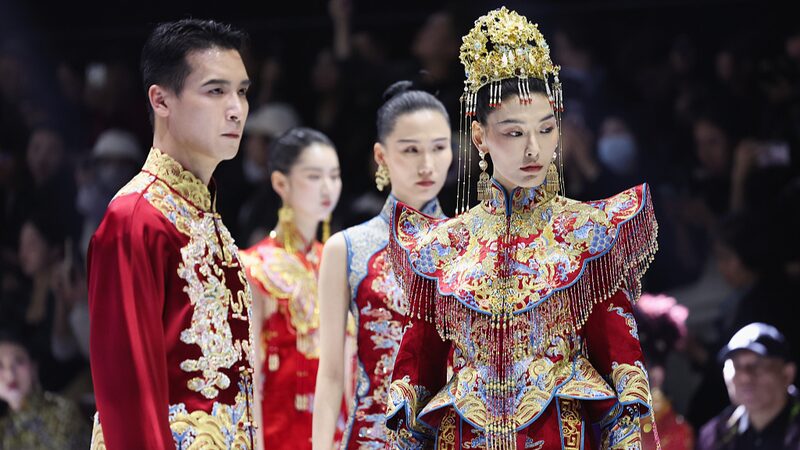
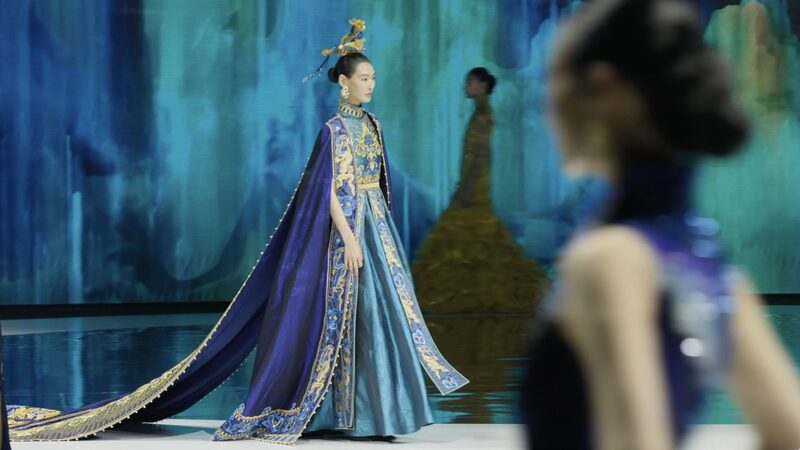
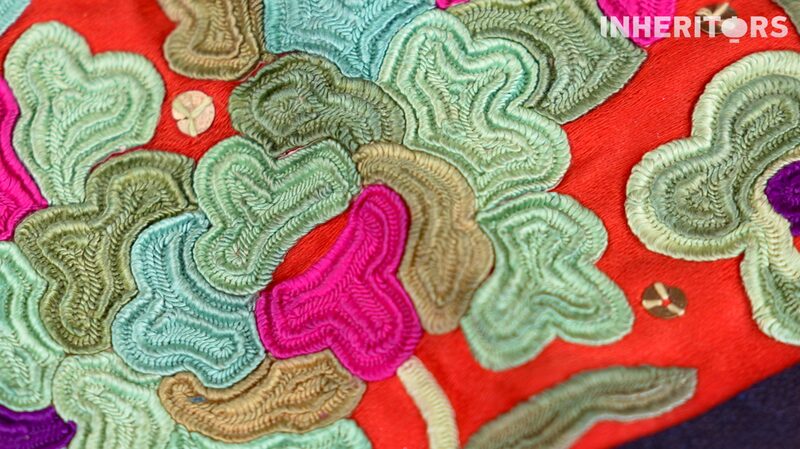
Recent exhibitions in Beijing and Paris have showcased how contemporary designers are reinterpreting traditional motifs like the butterfly mother (symbolizing creation) and fish-dragons (representing prosperity). "Each stitch carries our ancestors’ wisdom," explains master embroiderer Wu Xiali, whose family workshop now collaborates with Milanese fashion houses.
The Chinese government’s 2026 Intangible Cultural Heritage Protection Fund has allocated ¥280 million to digitize endangered patterns and train young artisans. In Taijiang County – the embroidery’s heartland – over 40% of households now participate in cooperative workshops supplying ethical fashion brands worldwide.
For the Miao diaspora, these textiles serve as tactile connections to homeland traditions. San Francisco-based artist Vue Yang recently launched a virtual reality archive allowing users to unstitch historical garments through augmented reality.
As sustainable fashion gains momentum globally, Miao embroidery’s plant-dyed silks and zero-waste techniques position it as both cultural treasure and eco-conscious commodity. Major Asian markets report 18% year-on-year growth in heritage textile sales through Q4 2025.