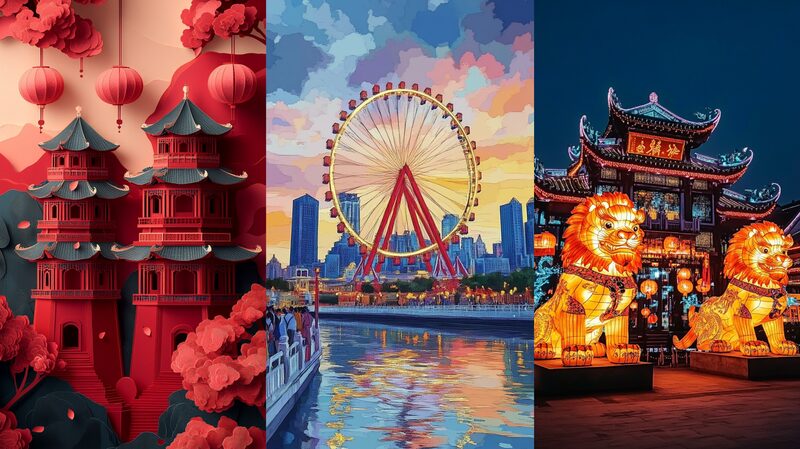
As the 2026 Spring Festival approaches, lantern workshops across the Chinese mainland are bustling with activity, preserving a 2,000-year-old tradition that continues to define Lunar New Year celebrations. From Beijing’s imperial-inspired designs to Chaozhou’s operatic motifs, these luminous artworks bridge historical craftsmanship with modern demand.
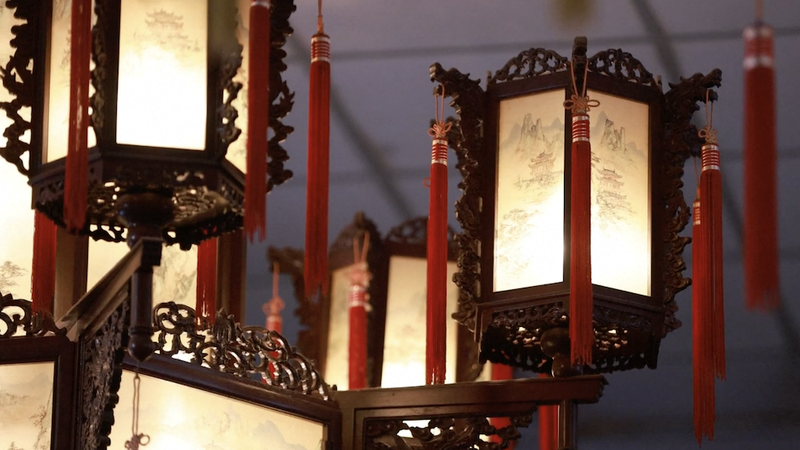
In Beijing, the Fine Arts Red Lantern Factory is racing to complete orders for its signature palace lanterns – intricate structures using Qing Dynasty-era techniques. Each piece features hand-carved wooden frames, silk panels painted with peonies and phoenixes, and precision joinery requiring up to 60 components. "We’ve doubled production this year," said master artisan Li Wei, 58, while adjusting a hexagonal lantern’s mortise joints. "Young designers help us reinterpret traditional patterns for contemporary homes."
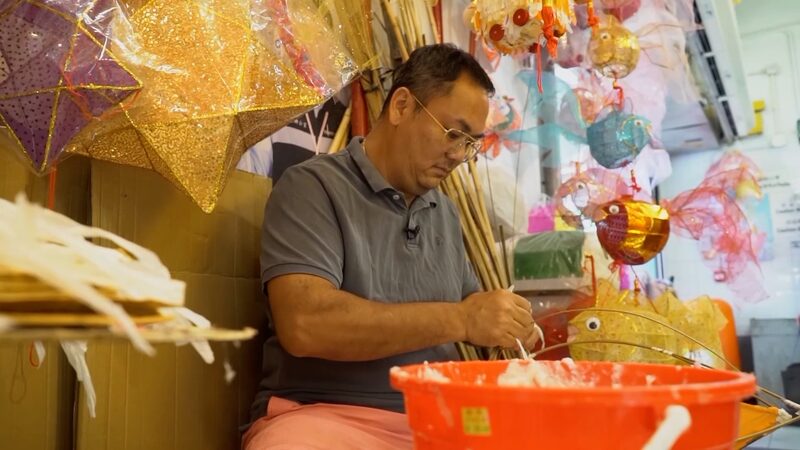
Over 2,000 km south in Chaozhou, Guangdong, lantern makers incorporate elements from the city’s UNESCO-recognized opera and embroidery traditions. Delicate wire frames support painted scenes from classical legends, while tasseled pendants sway like performers’ costumes. Local workshops report a 40% increase in overseas orders compared to 2025, particularly from Asian diaspora communities preparing for February 10 celebrations.
With over 15 million handcrafted lanterns expected to illuminate households and streets this festival season, these glowing symbols continue to represent both cultural continuity and evolving artistic innovation.