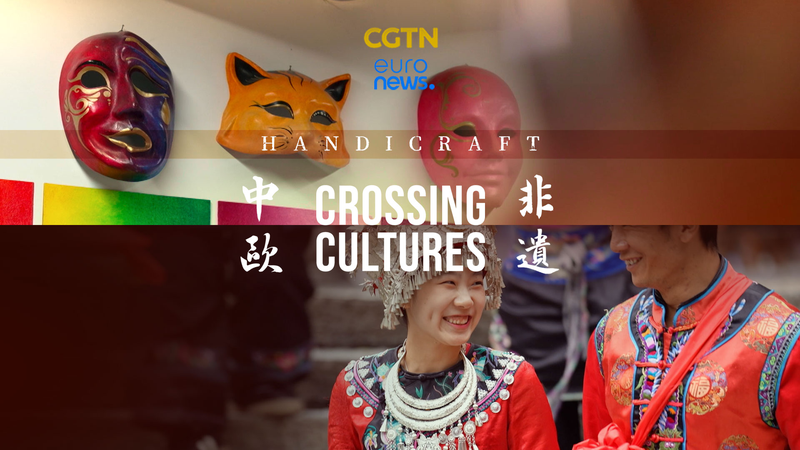
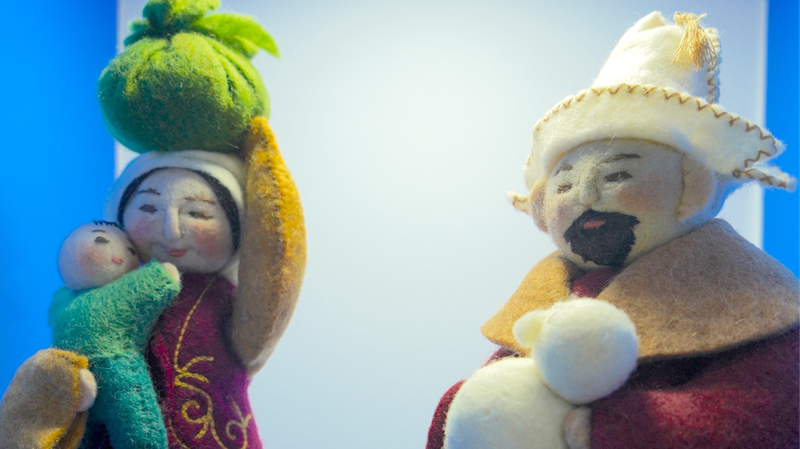
In the narrow canals of Venice and the misty mountains of China's Western Hunan, artisans are bridging past and present by safeguarding craft traditions that define their cultural identities. As of 2026, these practices—from intricate Venetian mask-making to vibrant Miao embroidery—continue to thrive despite global modernization pressures.
Venice: Masks as Living History
Venetian mask-makers, using techniques unchanged since the Renaissance, report renewed interest in handcrafted papier-mâché creations. Local workshops now collaborate with contemporary designers to create pieces blending historical motifs with modern aesthetics, attracting both collectors and tourists.
Western Hunan: Threads of Memory
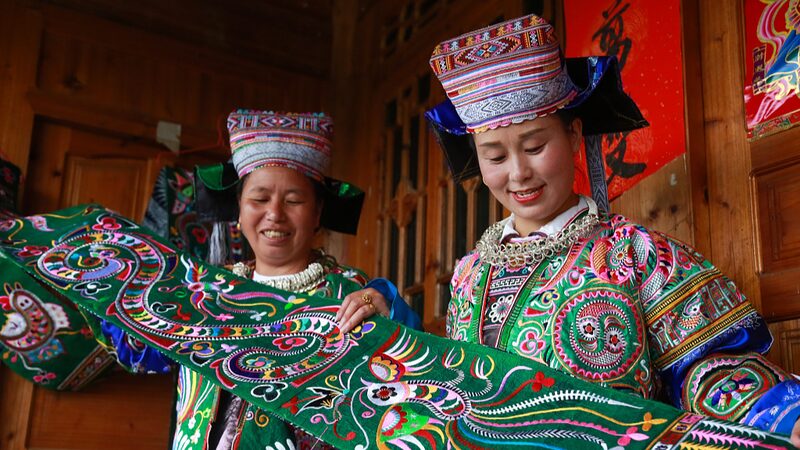
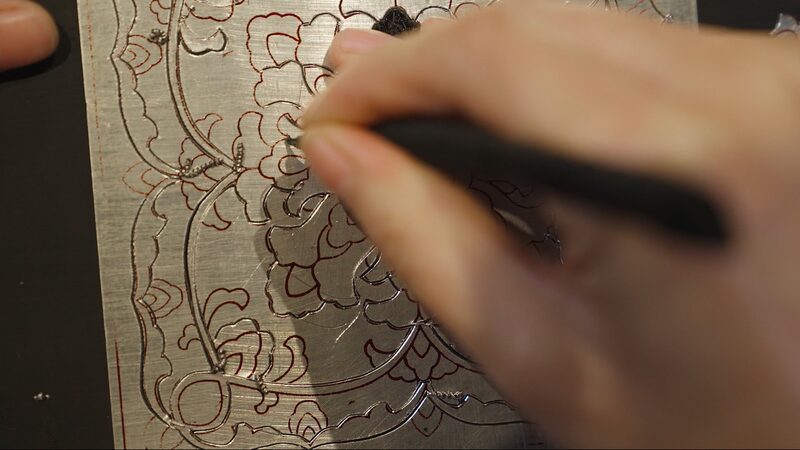
In Hunan's Miao communities, artisans preserve embroidery methods dating back over 1,000 years. This year has seen increased government support for rural craft cooperatives, enabling wider distribution of traditional textiles while maintaining ancestral dyeing and stitching methods. Recent exhibitions in Shanghai and Paris have spotlighted these works as examples of living cultural heritage.
Global Resonance
UNESCO data shows a 22% year-on-year increase in applications for intangible cultural heritage status since 2025, with experts attributing this to growing appreciation for craftsmanship in the digital age. “These traditions aren’t relics,” says cultural anthropologist Dr. Li Wei. “They’re dynamic systems of knowledge that evolve while maintaining core cultural DNA.”