In the mist-shrouded mountains of Yunnan Province, an ancient art form is experiencing a 21st-century renaissance. Jia ma – the intricate woodblock printing tradition of southwest China's Bai ethnic group – has evolved from sacred ritual objects to cultural ambassadors bridging past and present.
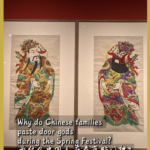
Originally carved with deities like the Mountain God Shaxiangzi, these prints served for centuries as spiritual conduits during festivals and life milestones. Today, Dali's artisans are reimagining motifs: cheeky "exam-success gods" now join traditional patterns on tote bags and wall art, while workshops invite travelers to ink their own prints using 500-year-old techniques.
"This isn't just preservation – it's conversation," observes local artisan Yang Xiu, whose studio blends ancestral symbols with pop culture references. The craft's commercial potential has drawn attention from overseas investors, with contemporary jia ma designs appearing in Milan design fairs and Tokyo concept stores.
As China's cultural tourism sector grows, jia ma's transformation offers a blueprint for heritage revitalization – proving that even the most ancient traditions can find new relevance in the digital age.