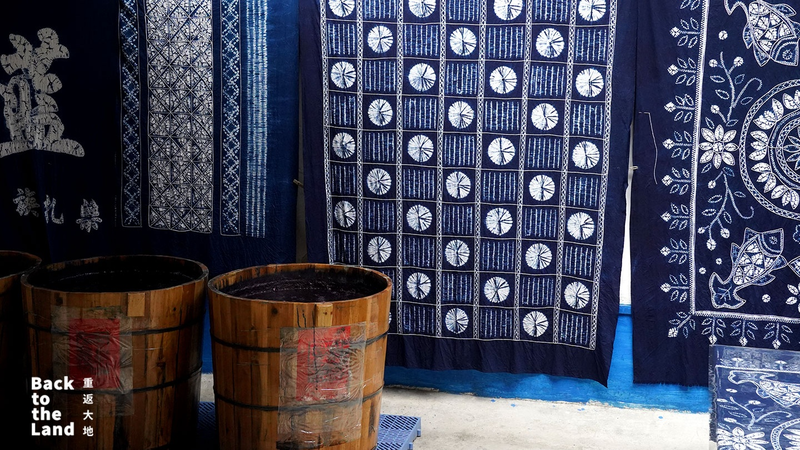
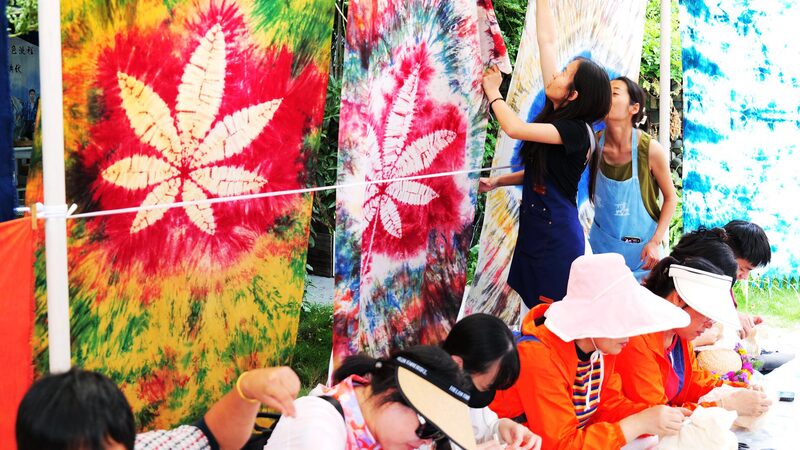
In the cobblestone alleys of Dali, a 1,500-year-old craft is undergoing a quiet revolution. Local artisans are transforming traditional plant-based tie-dye techniques into contemporary masterpieces, blending indigo hues with modernist designs that now adorn Parisian runways and Tokyo boutique hotels alike.
This year, workshops along the Erhai Lake basin report a 40% surge in international orders for their signature resist-dyed fabrics. What began as practical clothing for the Bai ethnic group has evolved into luxury wall hangings sold through Milan design studios and limited-edition scarves featured in Vogue's 2025 sustainable fashion guide.
Master artisan Yang Liqun, whose family has practiced the craft for 18 generations, explains: 'We're using the same knotting techniques as our ancestors, but now creating geometric patterns for smartphone cases and abstract installations for corporate lobbies.' His studio recently collaborated with a Swedish furniture brand on a capsule collection launching in Q1 2026.
The revival has created an economic ripple effect. Over 300 local households now participate in organic indigo cultivation, while Dali's craft tourism sector expects to welcome 120,000 visitors this winter season. For cultural preservationists, this fusion of heritage and innovation offers a blueprint for sustaining traditional arts in the digital age.