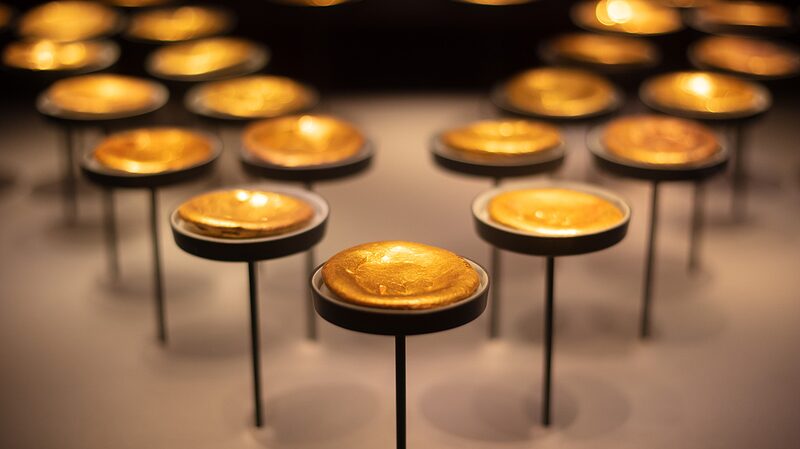
A groundbreaking exhibition at Beijing's National Museum of China is transporting visitors to the Warring States period (475-221 BC) through meticulously preserved artifacts from the Wuwangdun Tomb in Anhui Province. As the only scientifically excavated royal Chu mausoleum in the country, the site offers unprecedented insights into one of ancient China's most influential states.
Discovered artifacts reveal intricate details about Chu culinary traditions, spiritual divination practices, and architectural innovations that shaped regional culture over 2,200 years ago. Bronze ritual vessels adorned with mythological motifs stand alongside lacquerware tableware sets, demonstrating the sophistication of royal court life.
"This collection redefines our understanding of Chu material culture," said Dr. Li Wei, lead archaeologist on the project. "The preservation quality allows us to analyze food residues in ceremonial cauldrons and study early forms of geomancy through inscribed oracle bones."
The exhibition strategically coincides with growing international academic interest in pre-Qin dynasty civilizations. For business professionals and cultural explorers alike, the displays showcase technological advancements in metallurgy and urban planning that influenced subsequent dynasties.
With 78 artifacts making their public debut, the exhibition runs through March 2026, offering diaspora communities and global history enthusiasts a rare opportunity to engage with physical remnants of China's philosophical and artistic golden age.